Table of Contents
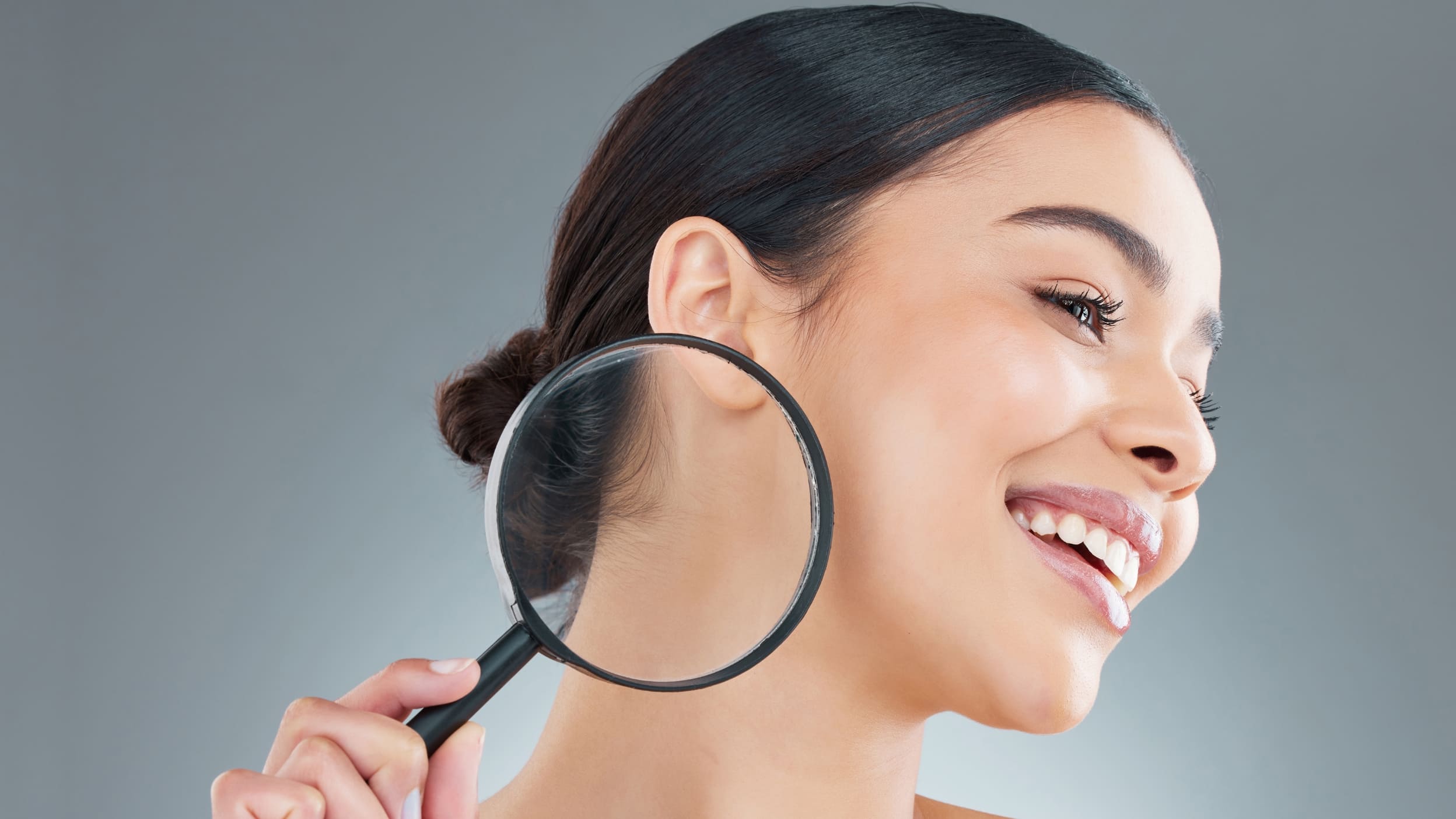
There’s something quietly magical that happens when you stop living in overdrive. You might have noticed it too: those mornings after a peaceful weekend when your face looks fresher, your eyes brighter, and your skin seems to glow from within. It’s not your imagination. I’ve seen this pattern again and again, both in my own reflection and in friends’ faces. Clearer skin after emotional rest often appears once the body finally has space to settle.
This connection between calm and complexion is something we don’t talk about enough. Most beauty advice focuses on products, ingredients, or routines. But few mention that sometimes, your best skincare routine is simply slowing down. When your mind unclenches, your body finally has space to repair itself.
Our skin mirrors our emotional state more than we realize. It’s one of the most visible organs we have, and it reflects what’s happening internally. When we carry tension, exhaustion, or constant pressure, it shows up in subtle ways: tightness around the eyes, dullness in tone, or breakouts that seem to appear overnight. Emotional rest reverses that. It gives your body permission to heal and your skin the chance to thrive.
Why Stress Shows Up on Your Face
Stress is sneaky. It doesn’t just make you feel tense; it changes how your body functions. Cortisol, the hormone your body releases during stress, can increase oil production, disrupt your microbiome, and cause inflammation. Over time, that combination creates the perfect storm for breakouts, dryness, or irritation.
I remember one particularly busy month when I was juggling deadlines, social commitments, and little to no sleep. My skincare products hadn’t changed, but my skin looked different. My foundation sat unevenly, my cheeks felt rough, and I noticed fine lines that hadn’t been there before. It wasn’t the serum or moisturizer failing me; it was my pace.
Our skin doesn’t respond well to emotional chaos. It craves stability. When you’re constantly pushing through exhaustion or emotional overload, your body prioritizes survival over glow. That’s why even the best beauty routine can’t compete with chronic stress. The truth is simple: if your nervous system is in overdrive, your skin is, too.
And once you see it, you can’t unsee it. You start to realize how your emotional state influences your outer appearance. Stress makes your face hold tension, while rest softens it. It’s subtle, but unmistakable.
The Science (and Real Life Proof) Behind Rested Skin
While science supports the connection between stress and skin, I’ve always believed that the real proof lies in how we feel. I once decided to test this theory with a few friends. We spent a weekend doing the opposite of what we usually did: no screens, no multitasking, no rushing. We went for long walks, ate home cooked meals, and allowed ourselves to do nothing.
By Sunday evening, every one of us looked subtly transformed. There was less puffiness, smoother texture, and a softness around the eyes that no concealer could fake. Our laughter came easier, too. It was as if our faces were finally exhaling.
There’s a biological reason behind that visible shift. When your body moves from fight or flight to rest and restore, your blood circulation improves, oxygen flow to the skin increases, and your cells get a chance to repair. Collagen production becomes more stable, and even your skin barrier functions better.
It’s fascinating how closely your emotions and your epidermis are linked. The phrase “your skin looks better when you’re less stressed” isn’t just poetic; it’s physiological truth.
What Emotional Rest Really Means It’s Not Just Sleep
Emotional rest isn’t the same as sleep. I learned that the hard way. For years, I thought rest meant getting eight hours a night. But even when I did, I still woke up feeling wired. My body was horizontal, but my mind was racing.
Emotional rest goes deeper. It’s about stepping away from emotional noise the pressure to perform, the mental juggling, the silent expectations that fill your head. It’s about giving your emotions room to breathe instead of constantly managing or suppressing them.
For me, emotional rest looks like slow walks without headphones, writing in a journal without editing my thoughts, or spending an afternoon organizing my wardrobe. I call it “beauty clothing therapy.” When I sort through the pieces that make me feel comfortable and confident, I’m giving myself small doses of calm. It’s an act of care that reminds me beauty isn’t just what I wear; it’s how I feel wearing it.
The truth is, emotional rest can’t be rushed. It comes from small, intentional pauses that tell your body, “You’re safe. You can let go now.” And when your body believes that, your skin reflects it instantly.
Why Women Notice Clearer Skin After Emotional Rest
Women often carry invisible weight. We manage work, relationships, family, social life, and our own expectations, all while trying to look like we have it together. That emotional load builds up quietly, layer by layer, until our bodies start sending signals that something needs to change.
When we finally allow ourselves emotional rest, not just physical downtime but genuine release, our entire system recalibrates. The body no longer spends energy maintaining high stress responses. Hormones like cortisol stabilize, inflammation decreases, and cell repair improves. That’s when the shift happens: calmer, smoother, more balanced skin.
I’ve noticed that this change feels as emotional as it does physical. You start to look at yourself differently, not in a hypercritical way, but with softness. The kind that comes from finally being on your own side.
It’s not about being perfect or endlessly serene. It’s about realizing that your skin, like your mind, performs best when it feels safe. Emotional rest creates that safety. That’s why women so often notice clearer, more radiant skin after slowing down. Their bodies finally have the chance to heal without constant emotional interference.
My Experience The Month I Finally Slowed Down
A few years ago, I decided to spend one month living more deliberately. I reduced my workload, limited social commitments, and created what I called quiet evenings. No screens after 7 PM, no multitasking, no unnecessary noise.
At first, it felt strange. I didn’t realize how addicted I was to constant stimulation. But after two weeks, something shifted. My breathing felt deeper, my sleep more restorative, and my skin began to change. The redness around my chin softened. My complexion looked brighter even without foundation. Friends asked if I had changed my skincare routine, but I hadn’t touched a single product.
That month taught me something no serum ever could: calm is the best beauty treatment. Since then, emotional rest has become a core part of my beauty philosophy. It’s not a luxury; it’s maintenance.
When you make space for peace, your body rewards you in ways that no product alone can.
How to Support Skin Recovery from Emotional Stress
While emotional rest starts from within, there are ways to help your skin reflect that renewal. Over the years, I’ve found a few small habits that make a huge difference in maintaining that post rest glow.
Prioritize Consistency Over Perfection
You don’t need a complicated skincare routine. What matters is showing up for your skin with gentleness. I stick to a simple routine: a mild cleanser, hydrating serum, moisturizer, and sunscreen. When I’m emotionally exhausted, I focus on keeping it minimal but consistent. Your skin loves predictability. It feels safe when you treat it kindly every day.
Create Micro Moments of Calm
You don’t have to take a full weekend retreat to experience emotional rest. Sometimes, a few minutes are enough. I’ve learned to find small rituals that ground me. Taking off my makeup slowly, applying moisturizer while breathing deeply, or even enjoying a quiet cup of tea before work. All of these moments signal calm to the body.
When I slow down in these tiny ways, my face follows suit. My jaw unclenches, my skin tone looks smoother, and even my makeup sits better.
Let Your Style Reflect Your Calm
What we wear can either soothe or stress us. On days I feel overwhelmed, I reach for soft fabrics, loose fits, and colors that comfort me. There’s a special kind of peace that comes from feeling at ease in your own clothes.
Fashion, for me, is emotional armor, but it can also be emotional rest. When I dress in ways that reflect who I am rather than what I’m supposed to be, it changes how I move through the day. That’s what I call true beauty clothing: comfort that radiates confidence.
Honor Your Emotional Limits
Skin thrives when the rest of you does. If you’re constantly overextending yourself, no mask or serum will fix the imbalance. Sometimes the kindest thing you can do for your skin is to say “no.” Protecting your peace isn’t selfish; it’s skincare at its most fundamental level.
Beauty and Style Reflecting Inner Calm on the Outside
I’ve always believed that beauty and style are reflections of what’s happening inside. When I’m calm, my choices shift. I gravitate toward lighter fabrics, softer tones, and more natural makeup. My whole aesthetic changes without me even trying.
It’s fascinating to watch how emotional rest translates visually. My posture softens, my skin looks alive, and my expression feels more open. That’s the real beauty that people notice. It’s not about achieving a flawless complexion; it’s about the energy behind your presence.
When I see women embracing emotional rest, I notice something special: they start to use beauty as expression, not concealment. Lip gloss instead of full coverage, relaxed tailoring instead of tight control. Beauty becomes less about perfection and more about harmony. How you look matching how you feel.
And that kind of beauty never goes out of style.
FAQs
Why does my skin look better when I’m less stressed?
When you’re relaxed, cortisol levels drop and your skin’s natural repair systems activate. Oil production balances out, inflammation decreases, and hydration levels improve.
How long does it take for skin to improve after stress?
You may notice subtle changes within days such as less puffiness or smoother tone, but deeper improvements like fewer breakouts often appear after two to four weeks of consistent emotional calm.
Is there a link between emotional health and clear skin?
Absolutely. Emotional balance influences hormone levels, sleep quality, and immune response, all of which affect how your skin renews itself. A calmer mind supports healthier skin at every level.
Final Thoughts
If you’ve ever caught your reflection after a peaceful weekend and thought, “Why do I look so rested?” that’s emotional rest working quietly behind the scenes.
Your skin doesn’t just respond to products; it responds to how you live, how you breathe, and how you treat yourself when no one’s watching. Clearer skin isn’t about chasing the next miracle cream. It’s about giving your body permission to slow down so it can do what it’s built to do: repair and restore.
When you stop rushing, your body finally catches up. Your face softens, your energy steadies, and your natural glow returns. That’s not vanity. That’s harmony.
So next time your skin feels off, don’t start with your skincare shelf. Start with your schedule, your thoughts, and your peace. Because when you nurture your inner calm, your outer beauty follows naturally, and that’s the kind of glow that lasts.