Table of Contents
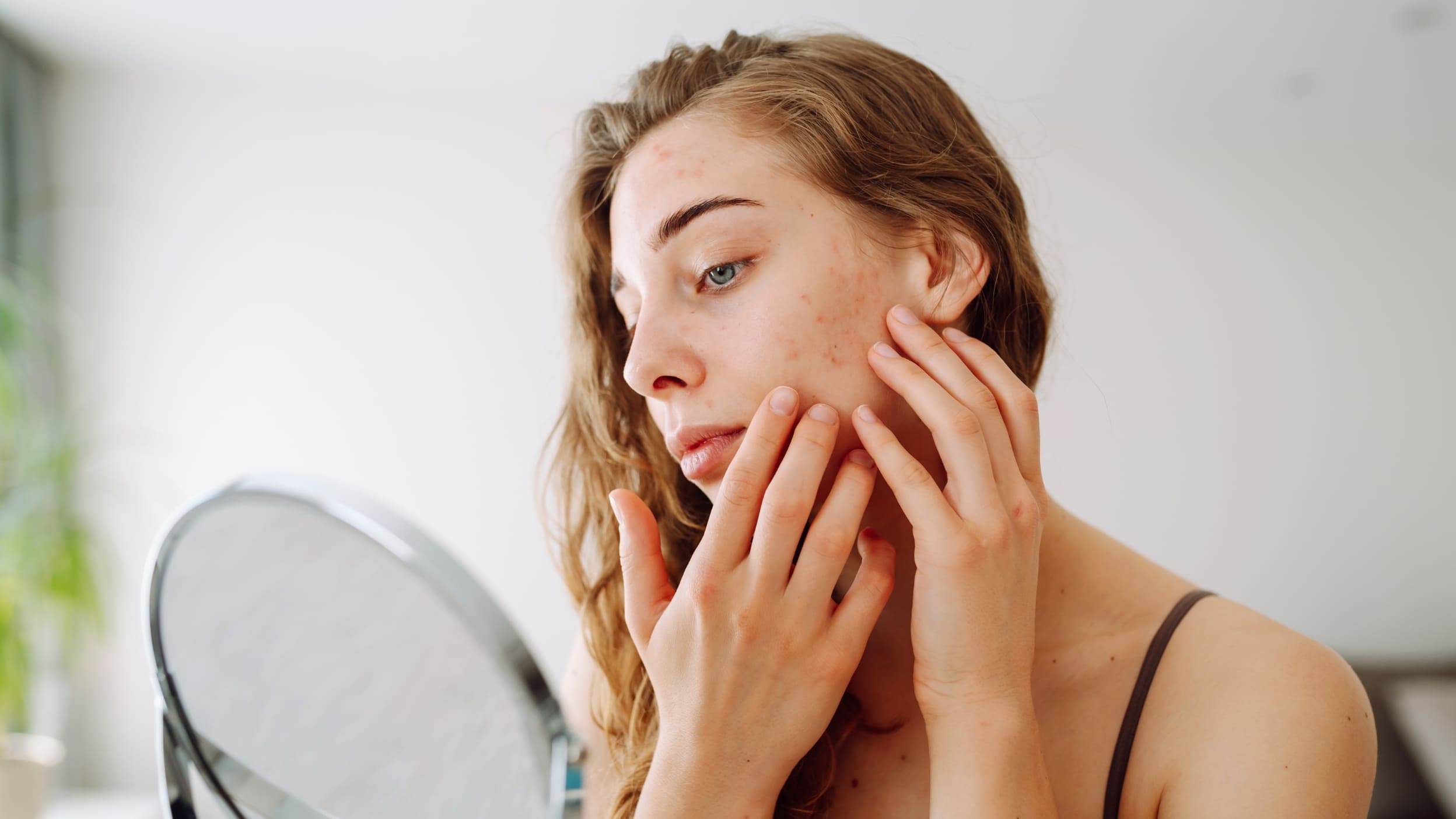
For years, I blamed product changes, stress, or the weather for my unpredictable skin texture. Some weeks my complexion felt like silk, and other times it was uneven, bumpy, and dull no matter what I used. I remember feeling frustrated that my usual skincare products would suddenly stop “working.”
Then I noticed a pattern. It wasn’t random at all it was cyclical. My skin was syncing with my menstrual cycle, changing right alongside my hormones.
Once I started paying attention, it became obvious. During certain weeks, my pores looked smaller and my makeup glided on effortlessly. Then, without warning, that smoothness vanished, replaced by congestion and roughness. It wasn’t my skincare betraying me it was my body doing what it naturally does every month.
Understanding this shifted how I approached skincare completely. Instead of chasing perfection, I started tracking my texture changes and working with my hormones instead of fighting them.
How Hormones Influence Skin Texture
Hormones are the silent architects of our skin’s monthly rhythm. Estrogen, progesterone, and testosterone fluctuate in a predictable pattern throughout the menstrual cycle, and those shifts determine whether our skin feels plump, dry, oily, or rough.
Estrogen is the star of the follicular and ovulatory phases it supports collagen, hydration, and elasticity. When estrogen levels are high, skin tends to appear glowy and smooth. You can usually tell when this happens because your skincare absorbs beautifully, and your face feels balanced.
Progesterone, on the other hand, dominates the luteal phase (the week or so before your period). It increases oil production and can make skin feel thicker or slightly congested. This is often when small bumps appear on your chin or cheeks and when makeup stops applying as evenly.
Then, as both estrogen and progesterone drop right before menstruation, your skin can become drier and more sensitive. The barrier feels fragile, pores look more visible, and texture can feel uneven or tight.
Once I realized that texture wasn’t just about skincare but about hormones, I stopped trying to “fix” my skin overnight. Instead, I began anticipating these shifts and adjusting my products accordingly.
My Personal Realization About Monthly Texture Shifts
I first connected the dots during a particularly stressful month. I had a major presentation coming up, and I wanted my skin to look flawless. I was exfoliating more often, layering hydrating serums, and still my foundation looked patchy. My skin had that slightly waxy texture that no amount of moisturizer could smooth out.
When I checked my period tracker, I was in the late luteal phase. My progesterone was high, oil production was up, and my skin was reacting exactly as it always did that week. Suddenly, it made perfect sense.
So, I tried something different. I stopped exfoliating, used a lightweight cleanser, and added a calming niacinamide serum. Within three days, my texture softened. My skin wasn’t “misbehaving” it was simply reacting to hormones.
That experience completely reframed how I viewed skincare. Instead of being reactive, I started being strategic.
The Four Phases and What Happens to Your Skin
To understand monthly texture changes, you have to look at what’s happening during each hormonal phase. Every phase influences your skin in a unique way.
1. Menstrual Phase (Days 1–5)
During your period, estrogen and progesterone levels are at their lowest. This hormonal dip can make your skin feel dry, dull, and a little more sensitive than usual. The barrier weakens slightly, so even gentle cleansers can feel stripping.
This is the time to simplify. Use creamy cleansers, hydrating toners, and barrier-restoring moisturizers. Avoid harsh exfoliants or actives that can cause redness. I’ve found that sleeping with a humidifier during this phase helps my skin stay supple and calm.
2. Follicular Phase (Days 6–13)
As estrogen begins to rise, your skin enters what I like to call its “glow zone.” Collagen production increases, hydration levels rise, and texture becomes visibly smoother. Pores look smaller, and your overall complexion brightens naturally.
This is the perfect window for exfoliation and renewal. I usually introduce a gentle chemical exfoliant or brightening serum. My makeup glides on beautifully, and my skin feels like it’s finally cooperating.
3. Ovulatory Phase (Days 14–17)
Estrogen peaks, and testosterone also increases slightly. The result is a luminous, plump complexion but some women notice more shine or small whiteheads as oil production increases.
To balance things out, I focus on lightweight hydration and clarity. Gel-based moisturizers and balancing masks help keep my pores clean without over-drying. This phase usually gives me my best skin days of the month.
4. Luteal Phase (Days 18–28)
This is where most women experience texture changes. Progesterone rises sharply, stimulating oil glands and slowing cell turnover. The skin feels thicker, sometimes uneven, and may appear more congested.
It’s easy to overreact here by scrubbing or adding too many actives, but that often backfires. Instead, I focus on soothing and balance. Niacinamide, zinc, and calming antioxidants keep my skin even while controlling inflammation.
Understanding these four phases gave me the roadmap I never knew I needed. Once I began adjusting my routine to match each phase, my texture became more predictable and manageable.
How to Adjust Skincare for Each Phase
Balancing texture across your cycle doesn’t mean overhauling your skincare every week. It’s about small, mindful shifts.
- Menstrual: Hydrate deeply with ceramides and fatty acids. Use gentle cleansers and skip exfoliation.
- Follicular: Reintroduce exfoliants and brightening ingredients. This is the best time for peels or resurfacing masks.
- Ovulatory: Keep things light. Hydrate without heaviness and manage excess oil with gentle clay masks.
- Luteal: Focus on barrier support. Use niacinamide, calming serums, and avoid over-cleansing.
When I began syncing my skincare this way, the results were consistent. My texture no longer felt unpredictable, and my skin looked calmer overall.
Why Texture Feels Rough Before Your Period
That slightly rough, bumpy texture before your period is one of the most common complaints I hear from women. It’s the result of two hormonal effects: increased oil production and slower cell turnover.
The oil that once protected your skin starts to clog pores when progesterone peaks. Meanwhile, your skin doesn’t shed dead cells as efficiently. The combination makes your complexion feel uneven and heavy.
I used to try fixing this with aggressive scrubbing, but all that did was inflame my skin. Now, I use a mild lactic acid serum early in my luteal phase before roughness sets in. Then I focus on soothing hydration once my period starts. That rhythm keeps my texture consistent, even when my hormones fluctuate.
Common Mistakes That Make Texture Worse
Many women unintentionally worsen texture by overcorrecting. I’ve made all the classic mistakes: over-exfoliating, switching cleansers too often, layering too many actives, or ignoring hydration when my skin felt oily.
Here’s what I learned the hard way:
- Exfoliation isn’t a solution for every phase. Overdoing it weakens the skin barrier and exaggerates roughness.
- Skipping moisture is a trap. Even oily skin needs hydration to balance oil production.
- Consistency beats intensity. Your skin thrives on gentle repetition, not constant product rotation.
- Ignoring your cycle keeps you guessing. Once you start tracking, you can anticipate texture changes before they appear.
My skin transformed when I began seeing it as a living system, not a static surface.
How to Support Your Skin Through Hormonal Shifts
There’s more to managing monthly texture than just skincare. Your skin is connected to your entire lifestyle your hydration, diet, stress, and sleep all play a part.
Here’s what helped me stabilize my texture month to month:
- Drink enough water. Dehydration amplifies roughness and dullness, especially in the luteal phase.
- Eat smart fats. Omega-3s and antioxidants support your skin barrier and reduce inflammation.
- Manage stress. Cortisol spikes worsen texture and oil production.
- Sleep well. Overnight is when your skin repairs itself. Consistent sleep leads to smoother mornings.
These changes didn’t produce instant miracles, but they gave me lasting results. My skin stopped swinging between extremes and started maintaining balance naturally.
When Texture Changes Signal Something Else
Sometimes texture changes aren’t just hormonal. If your skin feels persistently rough, itchy, or inflamed, there could be another cause like perioral dermatitis, rosacea, or a reaction to a new product.
If you’re experiencing ongoing texture issues that don’t match your hormonal pattern, it’s worth checking with a dermatologist. Hormone testing can also reveal if an imbalance like elevated androgens or thyroid irregularities is at play.
The goal isn’t to fix your skin overnight but to understand it better. When you listen to your body, your skin follows.
FAQs
1. Why does my skin feel rough before my period?
Because of progesterone, your oil glands work overtime while cell turnover slows. The result is clogged pores and uneven texture.
2. How can I smooth my skin during PMS?
Use gentle exfoliation early in the luteal phase, then focus on calming and hydration once your period starts.
3. Should I change my skincare every week?
No. You don’t need a complete overhaul just tweak intensity. Think of it as adjusting volume rather than switching songs.
Final Thoughts
Learning to understand my skin’s monthly rhythm changed everything about how I approach skincare. I used to see rough texture or breakouts as signs that something was wrong. Now, I recognize them as part of my natural cycle.
Each phase tells me something different. When my skin feels smooth and radiant, I know estrogen is working its magic. When it feels heavy or congested, I take that as a cue to slow down, nourish, and protect.
Once I stopped fighting my hormones and started aligning my routine with them, my texture improved and so did my relationship with my skin.
Your skin isn’t inconsistent it’s responsive. Every month it reflects your body’s internal shifts, reminding you to listen, adapt, and care.
If you ever feel frustrated by texture changes, remember this: your skin is cyclical because you are. Understanding that rhythm is the most empowering beauty secret there is.