Table of Contents
For most of my twenties, I believed the answer to every skin concern was water. Whenever my skin looked dull or flaky, I would drink more, thinking that would fix it. I genuinely believed hydration was as simple as drinking enough fluids.
But even with all that effort, my skin still looked tired. It felt tight after cleansing, my makeup didn’t sit right, and no matter how often I applied moisturiser, the glow never stayed. I thought maybe I wasn’t drinking enough, so I doubled my intake. Still, nothing changed.
The truth is, I wasn’t dehydrated in the way I thought. My skin wasn’t lacking water from within. It was struggling to hold onto the water it already had. I didn’t understand that hydration isn’t just about how much water you consume but how well your skin can retain it.
That was the hydration mistake I had been making all along. It wasn’t about quantity but protection. Once I learned that, everything about how I cared for my skin began to change.
Why Drinking Water Isn’t the Full Answer
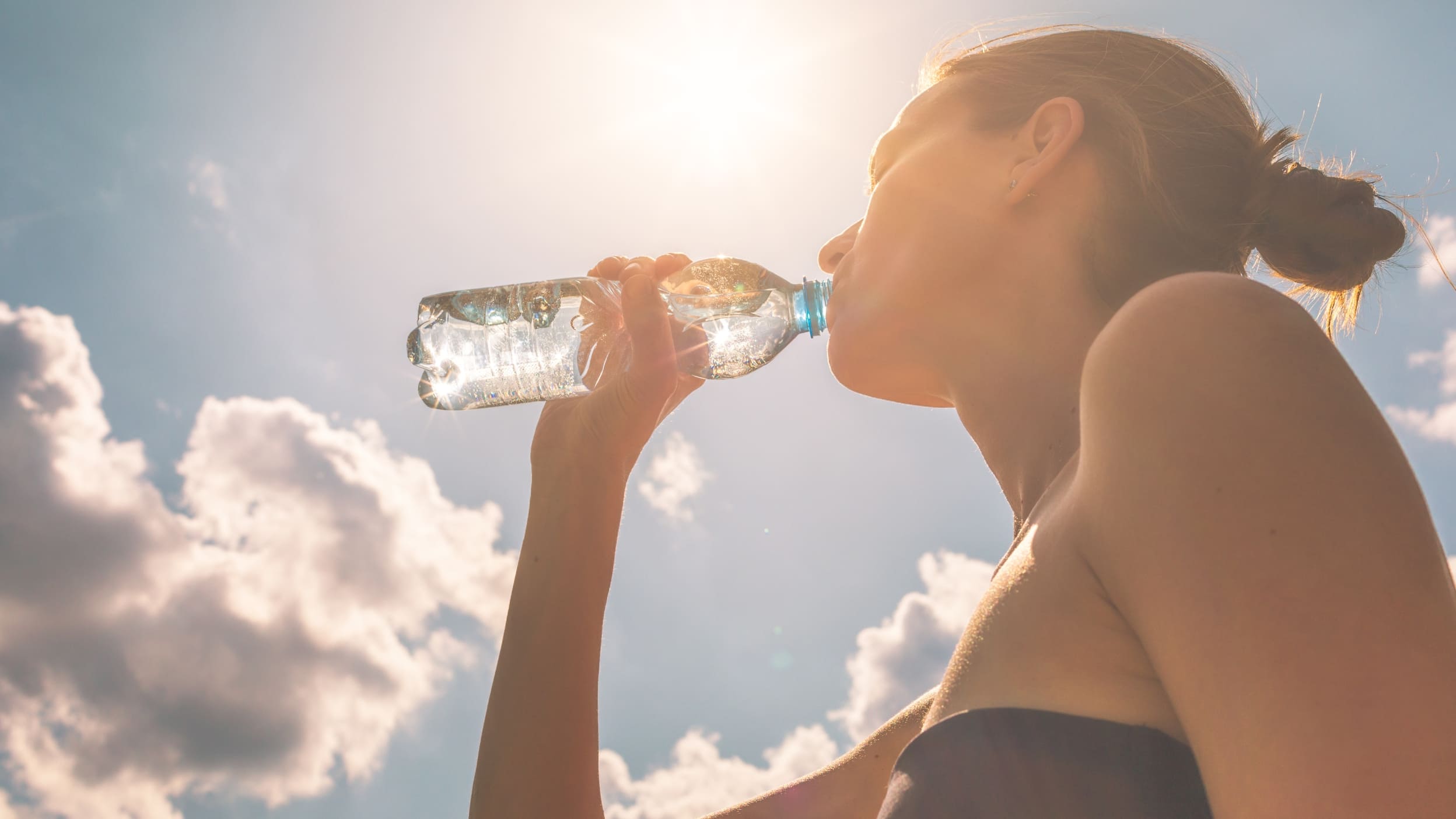
Drinking water is essential for your body, but it doesn’t directly hydrate your skin the way most people believe. Your body sends water first to your vital organs, like your heart and brain. Only what’s left makes its way to the skin.
That means you can drink several litres a day and still struggle with dryness. I used to wonder why my face felt tight and uncomfortable when I was doing everything right. The issue wasn’t hydration from the inside, it was the skin barrier on the outside.
If your barrier is damaged from overwashing, over exfoliating, or using harsh ingredients, water escapes quickly through the surface. It’s like pouring water into a cracked container; it won’t hold for long.
Once I understood that, I changed my focus from adding water to protecting it. That’s when I started to notice real, visible improvements. My skin began to feel calm, balanced, and naturally soft.
What Real Skin Hydration Looks Like
Hydrated skin isn’t just smooth or dewy. It’s comfortable. It feels stable and resilient instead of tight, oily, or flaky. You can tell your skin is truly hydrated when it feels balanced and consistent throughout the day.
When I finally achieved that balance, I noticed something different. My makeup applied more evenly, my tone looked more even, and my skin stayed fresh long after I cleansed. The difference wasn’t instant, but it was real.
Hydration is a partnership between water and lipids. Water provides softness, while lipids seal that water in. Without lipids, your skin loses moisture faster than you can replace it. That’s why over cleansing and stripping oils away only make dryness worse.
I used to chase the feeling of clean skin, but what I really needed was calm skin. Now, when my skin feels soft and slightly dewy, I know it’s healthy, not oily.
The Barrier We Forget to Protect
The skin barrier is something most women don’t think about until it’s already damaged. It’s made up of natural oils, fatty acids, and ceramides that hold everything together. When it’s strong, your skin looks plump and even. When it’s weak, moisture escapes and sensitivity increases.
I used to think exfoliating often was a sign of dedication. I would scrub whenever my face looked dull, not realizing that I was removing layers my skin needed to stay hydrated. The more I exfoliated, the more reactive my skin became.
Even using harsh cleansers can damage the barrier. I used to love that squeaky clean feeling after washing my face. It made me feel fresh, but in reality, it was a sign I had stripped away too much.
When I switched to a creamy cleanser and reduced exfoliation, the change was immediate. My skin stopped burning when I applied moisturiser. It stopped looking red and irritated. It started behaving like itself again.
Why Moisturiser Alone Doesn’t Work
For years, I thought the solution to dryness was a better moisturiser. I tried everything thick creams, hydrating gels, overnight masks but nothing lasted. Within hours, my skin would feel dry again.
The reason is simple. Moisturiser doesn’t add water to your skin. It only seals in what’s already there. If your skin is dehydrated to begin with, there’s nothing for the moisturiser to lock in.
I learned that the best time to apply moisturiser is when your skin is still slightly damp after cleansing. That’s when it can trap water in the surface instead of letting it evaporate. I also started using a light hydrating serum before my cream, which made all the difference.
Another mistake I made was applying moisturiser on dry skin after waiting too long post cleansing. That habit was preventing my products from working their best. Timing turned out to be just as important as product choice.
The Role of Lifestyle and Stress in Hydration
Hydration isn’t just about skincare. It’s about how you live. Stress, sleep, and even the air around you can influence how your skin behaves.
I started to notice that my skin would flare up during stressful periods. It would feel rough, patchy, and more reactive. At first, I blamed my products again, but then I realised it wasn’t them. It was me. Stress was disrupting my skin’s ability to hold moisture.
When I made time to rest, hydrate properly, and manage my stress levels, my skin started to calm down. I also paid more attention to my diet including foods rich in healthy fats like salmon, nuts, and avocados. These helped strengthen my barrier from within.
Even something as simple as the clothes I wore mattered. Switching to breathable fabrics reduced irritation around my neck and cheeks. When your skin feels comfortable, it shows.
The truth is, hydration isn’t just a skincare issue. It’s a lifestyle one.
My Turning Point with True Skin Hydration
The real change came one winter when my skin hit its worst point. It was dry, flaky, and sensitive to everything. I felt frustrated and overwhelmed. I had drawers full of products but no results.
So I decided to simplify. I kept only three things on my counter: a gentle cleanser, a hydrating serum, and a barrier cream. I used nothing else for two weeks. No exfoliants, no masks, no experiments.
Within days, the tightness started to fade. Within two weeks, my skin tone looked even, and the dryness around my nose disappeared. My barrier had begun to heal.
That experience taught me something valuable. Sometimes, the best thing you can do for your skin is less, not more. True hydration comes from listening instead of reacting.
Now, I treat my skincare like a conversation, not a competition. I ask what my skin needs and respond gently.
Practical Ways to Keep Skin Hydrated from Within
Over time, I created small habits that help my skin stay hydrated naturally. They’re simple but consistent.
1. Cleanse Gently
Avoid harsh or foaming cleansers that strip away oils. Choose creamy or oil based formulas that leave your skin soft.
2. Apply Moisturiser on Damp Skin
Always apply moisturiser right after cleansing or misting your face. It helps seal water in before it evaporates.
3. Eat Healthy Fats
Include omega 3 rich foods like nuts, seeds, and olive oil. These support your skin’s lipid barrier from the inside.
4. Limit Hot Water
Hot showers might feel relaxing, but they can dry out your skin. Use warm water and keep showers short.
5. Add a Humidifier
Dry indoor air can cause dehydration. A humidifier adds moisture back to the air and helps your skin retain it overnight.
6. Keep Your Routine Simple
More products don’t mean better results. A minimal routine often gives your skin room to recover and stay hydrated.
7. Manage Stress
Hydrated skin reflects a hydrated mind. Find small moments of calm — a walk, journaling, or even a quiet cup of tea.
Consistency with these habits builds resilience, not just moisture.
FAQs about Hydration Mistake
Why is my skin dry even though I drink enough water?
Because hydration depends on your skin barrier. If it’s weak or damaged, water escapes quickly, no matter how much you drink.
Can you be dehydrated even if you drink lots of water?
Yes. Without strong lipids and ceramides, your skin can’t hold onto water effectively, even when your body is hydrated.
What actually helps women’s skin stay hydrated?
A strong barrier, gentle skincare, balanced diet, and consistent rest. All of these help your skin retain moisture naturally.
Final Thoughts
The hydration mistake women make isn’t about forgetting to drink enough water. It’s about forgetting how the skin actually works. For years, I thought water alone could fix dryness, but it never did.
When I started protecting my barrier, simplifying my skincare, and aligning my lifestyle with my skin’s needs, everything changed. My face stopped feeling tight, my glow returned, and my confidence grew.
If your skin feels dry no matter what you try, it might be time to shift your focus. Instead of adding more, start preserving what you already have.
Hydration isn’t about doing everything. It’s about doing the right things consistently, gently, and with awareness. That’s when your skin truly learns how to stay soft, calm, and radiant.