Table of Contents
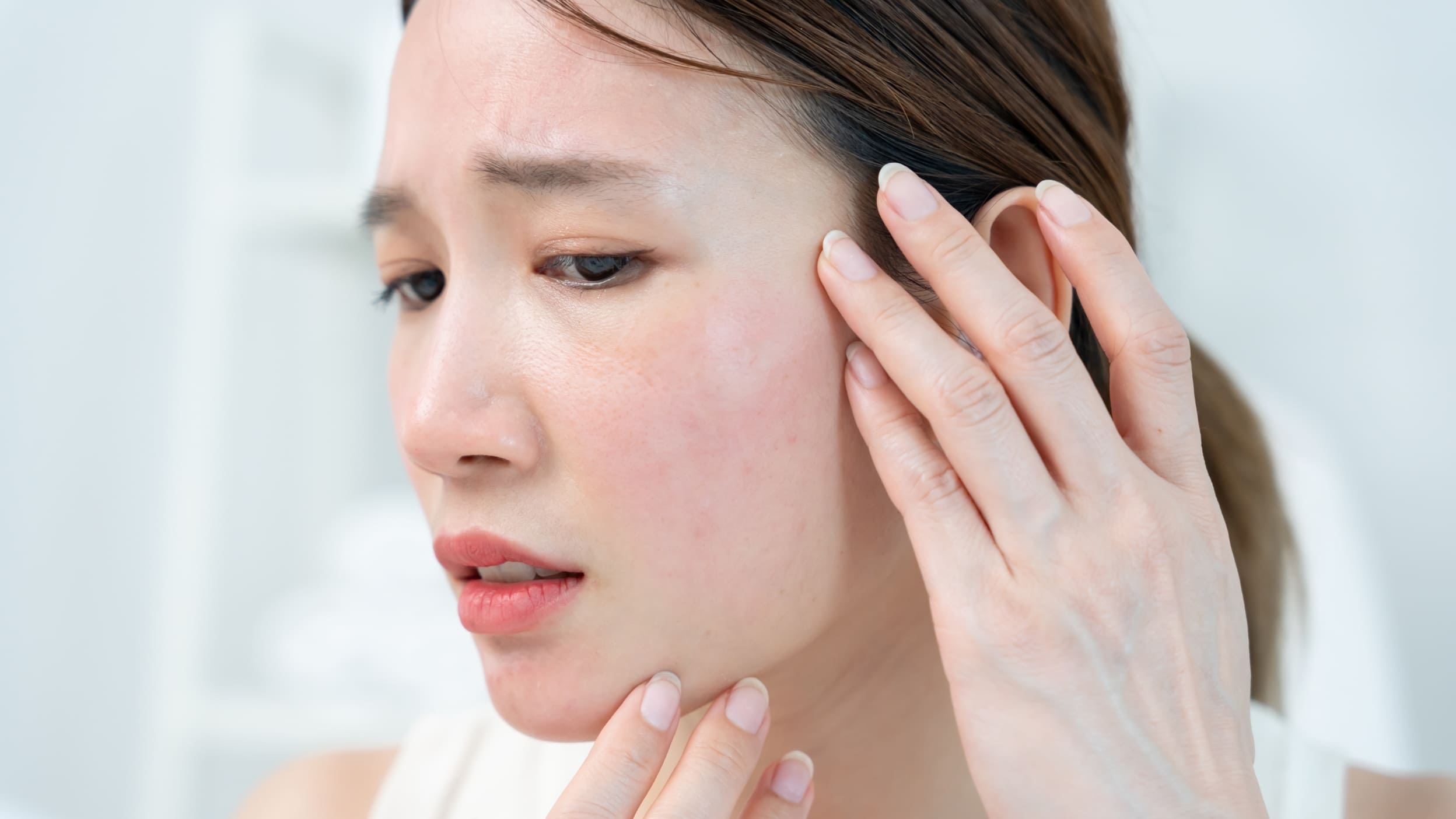
I’ve noticed a strange pattern in my life. Every time things get hectic, my skin seems to lose its balance. It starts with small signs: a little redness here, a patch of dryness there, then suddenly I’m dealing with unexpected breakouts or irritation. It’s as if my skin senses the stress before I even admit it to myself.
For years, I blamed it on the weather or the products I was using. But looking back, I can see it clearly. The Skin Flares always happened during my busiest times, work deadlines, big life changes, travel, or simply trying to do too much at once.
Women are masters of multitasking, but our skin doesn’t multitask well. It craves rhythm, balance, and rest, none of which exist during busy life phases. When the world demands more from us, our skin quietly protests.
What I’ve learned is that your skin isn’t betraying you. It’s reflecting you. When life speeds up, your body shifts into survival mode, and your skin is one of the first places you’ll see the effects.
The Stress Skin Connection
It’s impossible to talk about skin flare ups without mentioning stress. We all know it’s bad for us, but I didn’t truly understand how deeply it affects the skin until I lived through it.
Stress triggers cortisol production, the hormone that prepares your body to respond to pressure. But when cortisol stays high for too long, it throws everything off balance. It increases oil production, weakens your skin barrier, and causes inflammation. That’s why stress can lead to both breakouts and dryness at the same time.
During one of my most intense work periods, I started waking up with small, painful spots along my chin and jawline. I tried exfoliating more, switching cleansers, even cutting out dairy. Nothing helped. The real issue wasn’t what I was putting on my skin but what I was putting it through: long nights, caffeine overload, and no real downtime.
The moment I started managing stress rather than fighting it, my skin responded. It softened, the redness faded, and I could feel it settling back into balance. Stress may be invisible, but its effects are anything but.
How Hormones React to Chaos
Our hormones are like silent messengers that respond to everything happening in our lives. When stress takes over, hormones like cortisol, estrogen, and progesterone shift in ways that directly affect your skin.
During busy phases, your body might prioritize survival functions over non essentials like collagen production or hydration. That’s why your skin can suddenly look tired, inflamed, or even oilier than usual. These fluctuations are especially common around your cycle, when stress amplifies hormonal shifts that already affect your complexion.
I used to think hormonal breakouts were just part of being a woman, but I started noticing they became worse when I was overwhelmed. Once I began paying attention to my lifestyle instead of just my skincare routine, the connection became obvious.
Our skin doesn’t exist separately from our emotions or hormones. It’s part of the same system. When one part is out of sync, everything else follows.
The Impact of Sleep Loss on Skin Health
Sleep deprivation is another major trigger for skin issues, especially during hectic phases when it’s often the first thing sacrificed. I’ve gone through stretches where I slept barely five hours a night, thinking I was powering through. But my skin told a different story.
Without proper rest, your body doesn’t have time to repair itself. At night, your skin renews cells, produces collagen, and stabilizes hydration. When you skip that process, inflammation rises, your complexion dulls, and fine lines appear faster.
I remember one week when I barely slept and woke up to dry patches around my nose and temples. No amount of moisturizer fixed it because what my skin needed was deeper, real rest. After finally sleeping well for a few nights, the dryness disappeared.
Sleep isn’t just a luxury; it’s part of your skincare routine. You can use the best serums in the world, but if you’re running on fumes, they won’t perform the same.
When Routines Fall Apart and Skin Reacts
When life gets busy, routines crumble, and skincare is often the first thing to go. I’ve had days where I’ve fallen asleep in makeup or skipped washing my face because I was too tired. It happens to all of us. But the skin always remembers.
I noticed that every time I neglected my basic routine, my complexion would turn dull and uneven. My skin thrives on consistency, not perfection. When you stop giving it structure, it starts to lose its rhythm.
That doesn’t mean you need an elaborate routine. During my busiest seasons, I learned that simplicity keeps my skin sane. A gentle cleanser, hydrating moisturizer, and sunscreen in the morning. Cleanse, moisturize, and rest at night. Even when everything else falls apart, keeping those steps in place helps me feel grounded, and my skin feels protected.
Sometimes, skincare isn’t about doing more. It’s about doing the essentials, even when life feels impossible.
Why Emotional Overload Shows on Your Face
Our faces are emotional landscapes. You can read exhaustion, frustration, or sadness in your reflection even if you try to hide it. When emotional overload hits, your skin takes the hit too.
I once went through a season that felt emotionally relentless. My face told the whole story: puffier eyes, dull cheeks, a subtle tightness that made me feel older overnight. I wasn’t using any new products; I was just emotionally spent.
When you’re overwhelmed, blood flow to the skin decreases, healing slows down, and your barrier weakens. You might even notice flare ups like eczema or acne triggered purely by emotion. It’s your body’s way of processing internal tension through physical signs.
What helped me most was grounding myself in simple acts: washing my face slowly, massaging in moisturizer mindfully, or just sitting still with a warm cup of tea. Those quiet moments helped me reconnect not just with my skin, but with myself.
My Experience With Skin Flares During Hectic Seasons
There was a year in my life when everything seemed to happen at once. Work deadlines, personal commitments, and constant travel. My skin completely lost its balance. I developed hormonal acne along my jawline, constant redness on my cheeks, and random dryness around my mouth. It felt like I was wearing my stress.
I threw everything at it, expensive treatments, new routines, trendy ingredients, and nothing worked. It wasn’t until I started slowing down that my skin started to heal. I went back to basics, simplified my routine, and made rest a priority instead of a reward.
Within a month, my flare ups started calming down. My complexion wasn’t just clearer; it looked more alive. That experience taught me a truth I still live by: healthy skin isn’t built on perfection. It’s built on consistency, rest, and self kindness.
Now, whenever I feel life speeding up, I pay attention to my skin. It’s often the first sign that I need to pause and take care of myself again.
How to Calm Skin During Stressful Phases
When life feels out of control, the key is to simplify for your mind and your skin.
Here’s what I’ve learned works best:
1. Keep your routine gentle and steady
Focus on cleansing, hydrating, and protecting. Avoid over exfoliating or adding too many actives. Let your skin breathe.
2. Make rest non negotiable
Sleep repairs your skin more effectively than any serum. Aim for at least seven hours, even if it means saying no to something else.
3. Hydrate inside and out
Dehydration magnifies every sign of stress. I keep a bottle of water at my desk and use a lightweight hydrating mist during long workdays.
4. Avoid the temptation to overhaul your products
When your skin is flaring, less is more. Stick with what’s familiar and gentle. Introducing new products during stress usually makes things worse.
5. Find a small ritual that grounds you
For me, it’s applying moisturizer slowly or choosing an outfit I love. These moments of mindfulness signal to your body that you’re safe, which helps calm inflammation and tension.
The Power of Simplifying Your Routine
Over the years, I’ve learned that simplifying is one of the most powerful beauty tools you can use. During high stress phases, complexity just adds pressure.
When I stripped my skincare back to the basics, cleanser, moisturizer, SPF, my skin finally stabilized. I realized I had been exhausting it with constant product switches and treatments. It needed rest just like I did.
A simple routine doesn’t mean you’re neglecting your skin; it means you’re giving it the space to recover. I now treat my skincare like my breath, steady, uncomplicated, and essential.
Sometimes, clarity shows up when you stop trying to fix everything and start trusting that your body knows how to heal when given time and care.
Fashion, Confidence, and the Connection to Skin
It might sound unrelated, but how you dress and carry yourself affects how your skin feels too. When I’m stressed, I tend to throw on whatever’s closest. But when I take a moment to wear something that feels comfortable and beautiful, my whole mood shifts.
That shift changes how I see myself in the mirror. I notice less of the imperfections and more of the calm. It’s proof that beauty isn’t just physical, it’s emotional.
Feeling confident and at ease has a visible effect on your face. When you move through your day with a sense of self assurance, your skin mirrors that same energy. Calm energy always looks good on you.
Everyday Habits That Make a Difference
Small, consistent actions do more for your skin than big changes ever will.
Here are a few habits that have helped me manage skin during stressful times:
- Keep your pillowcases clean; your skin rests there nightly.
- Eat meals with real nutrients, even if they’re simple.
- Step outside for five minutes of sunlight to reset your body clock.
- Avoid touching your face during long workdays.
- Take a few deep breaths before bed to lower cortisol naturally.
When life feels chaotic, these tiny steps act as reminders that you still have control over how you treat yourself.
FAQs about Why Women’s Skin Flares During Busy Life Phases
1. Why does my skin flare when life gets busy?
Because stress increases cortisol, which triggers oil production and inflammation, leading to breakouts and irritation.
2. Can emotional stress really affect skin health?
Yes. Emotional overload reduces circulation and delays healing, making your skin look dull or tired.
3. How can I prevent skin flare ups during hectic times?
Simplify your routine, stay hydrated, get enough sleep, and avoid introducing new skincare products until things settle.
Final Thoughts
Every woman goes through seasons when life feels overwhelming. During those times, our skin becomes a reflection of how we’re coping inside. Instead of seeing flare ups as failures, I’ve learned to see them as signals, gentle reminders to pause, breathe, and care for myself again.
Your skin is resilient, but it needs you to be kind to it. Slow down when you can, sleep when you must, and remember that calm doesn’t mean doing less, it means doing what matters.
When you nurture yourself through the chaos, your skin follows suit. And in that balance, beauty finds its way back to the surface, naturally and effortlessly.