Table of Contents
For the longest time, I assumed I just had big pores. I thought it was one of those unchangeable traits, like the shape of your eyes or the color of your hair. Why womens pores look bigger at certain times of the month. But as I started paying attention to my skin more closely, I realized something strange. My pores didn’t always look the same. Some days, my skin appeared smooth and almost airbrushed, while on others, those tiny dots on my cheeks and nose seemed to stand out more than usual.
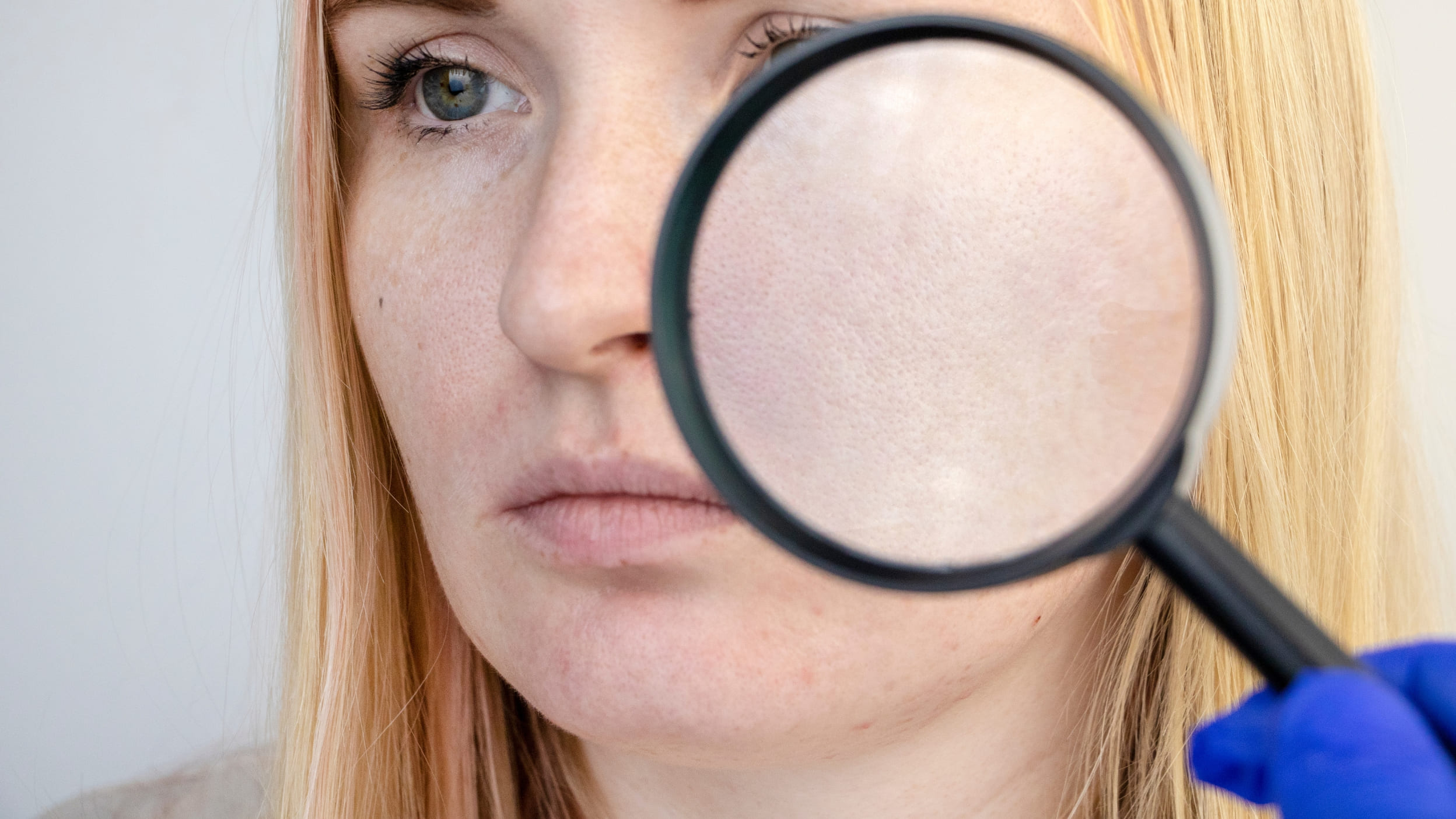
If you’ve ever wondered why your pores look bigger at certain times, you’re not imagining it. Pores don’t physically open or close, but they can look larger or smaller depending on what’s happening within your skin and your environment. Oil, hydration, weather, hormones, and even stress can all influence how visible they appear.
Once I noticed these patterns, everything started to make more sense. Instead of thinking of my pores as a problem to “fix,” I began to see them as something to understand. That shift completely changed how I cared for my skin.
The Role of Oil, Hormones, and Weather
In my experience, the biggest reason pores look larger on certain days is oil production. When your skin produces more sebum, that oil mixes with dead skin cells and any leftover product sitting on your face. The result is buildup inside the pores, which can make them appear darker or stretched.
I notice this most during the summer. Warm weather increases sweat and oil, which leaves my T-zone looking shinier and more uneven. My makeup tends to separate more easily around my nose and chin, highlighting every pore in the process.
But winter has its challenges too. Cold air and indoor heating often leave my skin dehydrated. When that happens, my pores look more textured because dry skin tends to exaggerate unevenness. It’s a reminder that balance is everything. Too much oil can clog pores, while too little moisture can make them look rough and tired.
Hormones also play a major role. As your hormone levels shift throughout the month, so does your skin’s oil production. These fluctuations are why your skin might look flawless one week and congested the next.
Why Pores Look Bigger Before Your Period
About a week before my period, I always notice changes in my skin. My T-zone feels oilier, my makeup doesn’t sit as well, and my pores look noticeably larger. It happens every single month.
The reason is hormonal. Before your period, progesterone levels rise, which increases oil production. That extra oil builds up inside pores, stretching them slightly and making them more visible under light. The effect isn’t permanent, but it can be frustrating if you like smooth, even-looking skin.
These days, I plan ahead for it. During that week, I simplify my skincare. I use a lightweight moisturizer instead of a rich one, add a clay mask once or twice, and avoid introducing new products. My goal is to keep my skin calm and balanced rather than overload it.
If you’ve ever wondered why your pores look larger before your period, know that it’s perfectly normal. Your body is simply going through its natural hormonal cycle, and your skin is reacting to that internal shift.
How Makeup Can Make Pores Look More Noticeable
Makeup can be both a savior and a saboteur when it comes to pores. I’ve had days when my foundation looked flawless in the morning but settled into every pore by lunchtime. It used to frustrate me until I figured out that the issue wasn’t always the makeup itself but how I was prepping my skin.
Heavier, full-coverage formulas often highlight texture instead of concealing it. They cling to uneven areas and emphasize the depth of the pores. Primers that are too silicone-based can make the problem worse because they create layers that trap oil underneath.
Now, I focus on skin preparation. Before applying makeup, I gently exfoliate and use a hydrating serum to smooth my base. When my skin is hydrated and even, foundation sits better and reflects light more naturally. I also learned to apply less product in areas where my pores are most visible instead of trying to fill them in.
When my pores look more noticeable than usual, I go lighter with coverage. A tinted moisturizer or BB cream, paired with a touch of concealer where needed, gives me a soft, natural finish that feels fresh instead of heavy.
How Stress and Lifestyle Affect Skin Texture
The more I’ve observed my skin, the more I see how closely it’s tied to my lifestyle. When I’m stressed or sleep-deprived, my pores always look worse. My skin feels rough, oilier, and somehow less resilient.
Stress increases cortisol, a hormone that affects oil production and inflammation. When it spikes, the skin tends to produce more oil, which can lead to clogged pores and breakouts. I’ve noticed that during particularly busy or stressful weeks, even my most reliable skincare products seem less effective.
Sleep, hydration, and nutrition also make a huge difference. When I’ve been drinking enough water and eating fresh foods, my skin looks plumper and clearer. But when I’ve had a few late nights or too much caffeine, my pores look shadowed and dull.
Over time, I learned to be gentler with myself. Instead of panicking when my skin flares up, I check in with my routine. Have I been sleeping well? Drinking enough water? Eating balanced meals? Often, the answers explain my skin’s behavior better than any new product ever could.
My Experience Managing Pore Visibility
Like most people, I went through a phase of trying every product that promised to shrink pores. Pore strips, clay masks, scrubs, serums—if it claimed to work, I tried it. Some gave quick results, but most made my skin sensitive or dry.
Eventually, I learned that you can’t actually change the size of your pores. What you can do is keep them clean, balanced, and supported so they appear smaller. That realization changed everything for me.
I focused on consistency instead of quick fixes. Gentle cleansing twice a day, moderate exfoliation, and keeping my skin hydrated became non-negotiables. I stopped over-cleansing and started protecting my skin barrier instead. The results weren’t instant, but they were lasting. My pores looked smoother, and my overall texture improved dramatically.
The truth is, managing pore visibility is more about patience than perfection. When your skin is balanced and cared for, your pores naturally look better.
Beauty Routine Tips to Minimise the Look of Pores
Here are the simple, practical steps that have helped me the most over time:
- Cleanse gently but consistently. A mild cleanser keeps pores clear without stripping the skin.
- Exfoliate with care. I prefer gentle acids like lactic or mandelic acid twice a week. They smooth texture and prevent buildup.
- Hydrate well. Dehydrated skin makes pores more noticeable. A lightweight hydrating serum can make an immediate difference.
- Moisturize smartly. Gel or water-based moisturizers are great for balancing oily areas without heaviness.
- Use niacinamide. This ingredient helps refine texture and regulate oil production over time.
- Apply sunscreen daily. Sun exposure weakens collagen, which supports pore structure, making them look larger over time.
- Avoid over-cleansing or over-exfoliating. Doing too much strips your skin, forcing it to produce more oil to compensate.
When I stick to these basics, my pores stay calmer and my skin feels more balanced. There’s no need for complicated steps, just consistency and awareness of what works for your unique skin.
Daily Skincare Routine for Smoother Texture
My daily routine is simple but effective. It’s built around keeping my pores clear while maintaining hydration.
Morning
- Gentle cleanser to refresh my skin
- Hydrating toner or essence to prep and soften
- Niacinamide or antioxidant serum for balance and glow
- Lightweight moisturizer to lock in hydration
- Broad-spectrum SPF to protect from damage
Evening
- Oil cleanser to remove makeup and sunscreen
- Gentle foaming cleanser to finish the cleanse
- Exfoliating toner two or three times a week for smoothness
- Barrier-repairing serum or essence for nourishment
- Moisturizer that suits how my skin feels that night
Once a week, I add a clay or enzyme mask to draw out impurities. I also use a hydrating mask if my skin feels dry. The key is flexibility listening to what my skin needs rather than following a strict routine out of habit.
This approach has kept my pores consistently clear and my texture soft to the touch. It also helps makeup apply evenly, giving me confidence whether I’m wearing a full face or nothing at all.
Frequently Asked Questions
Why do my pores look bigger some days than others?
Pores can appear larger when your skin produces more oil, when you’re dehydrated, or when the weather is humid and warm. Hormonal changes and buildup can also make them stand out more on certain days.
Can hormones make pores look bigger?
Yes. Hormones influence oil production, and increased oil can make pores look more visible, especially before your period. This is temporary and can be managed with the right routine.
How can I minimise the look of pores naturally?
Keep your skin clean, hydrated, and protected. Use gentle exfoliation, products with niacinamide, and always wear SPF. Avoid picking or squeezing pores, which can make them appear worse over time.
Final Thoughts
I used to think visible pores were something to be embarrassed about, but I’ve learned that everyone has them. They’re not a flaw; they’re part of how your skin functions. What matters is how you care for them and the consistency of your routine.
Once I stopped trying to erase my pores and started understanding them, my skin became easier to manage. I no longer stress when they look more visible because I know it’s temporary and often tied to simple factors like weather, hormones, or hydration.
Healthy skin isn’t about perfection. It’s about awareness, balance, and kindness toward yourself. Your pores don’t define your beauty; they’re just one small part of it. When you work with your skin instead of against it, everything looks and feels better.