Table of Contents
I used to think anxiety lived only in my thoughts, but it turns out my body was screaming the truth long before my mind caught up. Women Say This Simple Stretch Eases Anxiety Fast. My shoulders were constantly hunched, my neck felt locked, and my jaw clenched so tightly that I sometimes woke up with headaches. I thought it was normal.
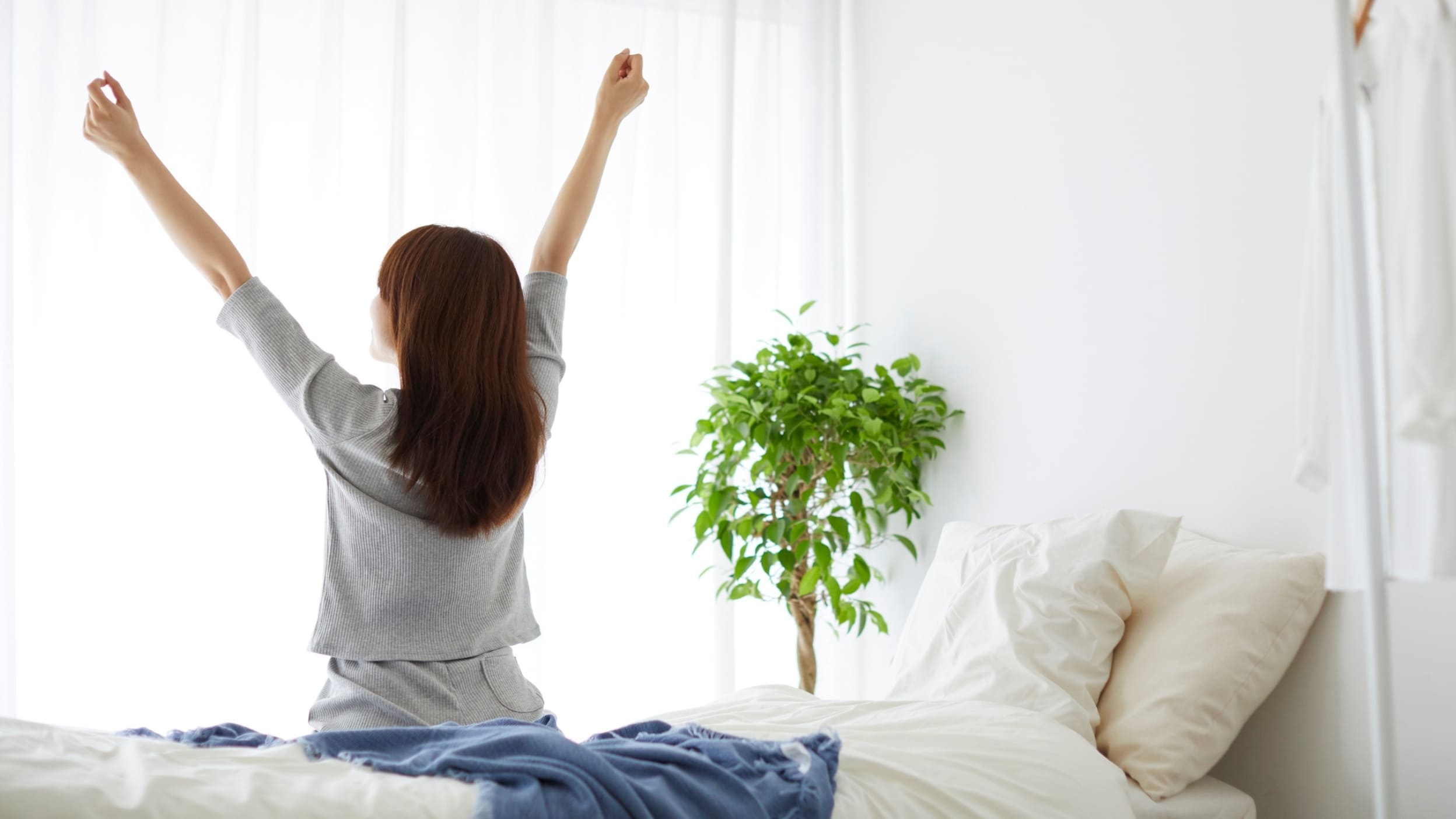
One morning, after a particularly anxious night, I sat on the floor and instinctively stretched my arms overhead. I took a long, shaky breath and felt something shift. It wasn’t dramatic, but I noticed a slight release. My shoulders softened, my breathing slowed, and for the first time in days, I felt grounded.
That tiny, almost accidental stretch became the start of a much bigger realization. My anxiety didn’t just live in my thoughts; it lived in my muscles too. And if I could reach my body, maybe I could reach my calm again.
Why Stretching Works When Anxiety Hits
When you’re anxious, your body goes into overdrive. Your muscles tighten as your brain prepares for a threat that usually doesn’t exist in the present moment. The problem is that tension has nowhere to go. You’re bracing against something invisible.
Stretching interrupts that loop. It gives your body a direct signal that the danger has passed. By lengthening your muscles and deepening your breath, you activate the parasympathetic nervous system, the one responsible for rest and recovery.
I started noticing that when I stretched, even for just a minute, my thoughts stopped racing. My breathing deepened almost automatically. The physical act of moving reminded me that I wasn’t trapped inside my anxiety. I could move through it.
The best part is that you don’t need a yoga class or special equipment. The right stretch, done with focus, can change how your body feels in under a minute.
The Simple Stretch That Helps Me Calm Down Fast
Out of all the movements I’ve tried, the one that works every single time is the standing forward fold. It’s simple, grounding, and deeply soothing.
I first learned it from a friend who swore it helped her manage stress. I remember thinking it sounded too easy to make a difference. But one afternoon, while feeling overwhelmed, I gave it a try. Within thirty seconds, I felt my shoulders drop and my breath return to a normal rhythm. It was almost shocking how quickly it worked.
This stretch is so effective because it reverses the body’s stress posture. When we’re anxious, we tend to hunch forward, closing in on ourselves. The forward fold opens that posture while letting gravity do the work of releasing tightness from the back, shoulders, and neck.
It doesn’t matter if you can’t touch your toes or if your legs shake. The goal isn’t flexibility. It’s release.
How to Do It Step-by-Step
- Start standing with your feet hip-width apart.
Keep your knees soft and let your arms relax by your sides. - Inhale slowly and reach your arms overhead.
Feel your spine lengthen as you stretch upward. - Exhale gently as you fold forward.
Hinge from your hips, not your waist. Let your arms and head hang naturally toward the floor. - Soften your knees if you need to.
Don’t force the movement. The key is to let go, not push harder. - Hold for 30 to 60 seconds.
Breathe deeply. With each exhale, imagine tension flowing out of your body through your fingertips. - Roll up slowly.
Engage your core and rise one vertebra at a time until you’re standing tall again.
I like to close my eyes during this stretch. There’s something grounding about focusing only on your breath and the gentle pull of gravity. Sometimes I’ll sway slightly from side to side to feel the stretch deepen through my back. By the time I rise again, my thoughts always feel clearer.
What Happens in the Body When You Stretch
There’s real science behind why stretching can calm you down so quickly. When you stretch, your body releases endorphins, the same chemicals that make you feel good after exercise. These natural mood lifters reduce the perception of stress and pain.
At the same time, stretching reduces the production of cortisol, the body’s main stress hormone. It increases blood flow, delivers oxygen to tense muscles, and improves posture, which can subtly shift your mood. When you physically open your chest and shoulders, it’s harder to stay in a defensive or anxious stance.
I’ve noticed that after holding a stretch for a few slow breaths, my thoughts begin to slow too. My inner monologue softens. It’s like my brain takes cues from my body that it’s safe to relax. This simple physical reset often helps me approach the rest of my day with more clarity.
It’s fascinating how something so small can have such a big impact on both the body and mind.
How I Made This Stretch Part of My Daily Routine
At first, stretching was something I did only when I felt anxious. But over time, I realized it worked even better as a preventative practice. Now it’s a ritual I rely on every day.
In the morning, before checking my phone, I do a short forward fold. It helps me start the day grounded instead of rushed. Midday, especially after sitting for hours, I’ll stand up, stretch my arms overhead, and breathe deeply. It instantly centers me again.
In the evening, I take a few minutes before bed to stretch again. I’ll dim the lights, put on calming music, and hold the forward fold a little longer. It signals to my body that the day is over and it’s time to rest.
This small routine has made a huge difference in how I handle daily stress. It’s become a simple form of self-care that doesn’t require extra time, space, or equipment. Just awareness and breath.
Consistency is what made it powerful. Even on days when I didn’t feel particularly anxious, the practice kept my body loose and my mind steady. It’s like giving myself a tiny reset before stress builds up.
Other Stretches That Help Ease Anxiety
While the standing forward fold is my go-to, I’ve discovered a few other simple movements that help me calm down fast. They’re easy, can be done anywhere, and don’t require any preparation.
1. Shoulder Rolls
Sit or stand tall, then slowly roll your shoulders backward 10 times. Focus on releasing tension with each movement. This helps especially after long hours at a desk or when you feel your shoulders creeping up toward your ears.
2. Neck Stretch
Gently drop your ear toward your shoulder and hold for 20 seconds on each side. You can add a deep breath in and out for each count. This stretch releases tension in the neck and jaw, areas that hold a surprising amount of anxiety.
3. Seated Forward Fold
Sit on the floor with your legs stretched out. Hinge at your hips and reach toward your shins or feet. You don’t have to go far. Focus on the sensation of lengthening through your spine and breathing deeply.
4. Cat-Cow Stretch
On your hands and knees, alternate between arching your spine (cat) and dipping your belly down (cow). This rhythmic motion releases back tension and helps you sync breath with movement.
5. Child’s Pose
Kneel on the floor, bring your big toes together, and extend your arms forward while lowering your forehead toward the ground. Stay here for a few breaths. It’s deeply relaxing and perfect before sleep.
Each of these stretches targets a different part of the body where anxiety tends to collect. Even spending two minutes on one of them can make a real difference in how you feel.
I’ve learned to listen to what my body asks for. Some days, a long forward fold feels best. Other days, a gentle neck stretch is enough. The key is not perfection but presence.
FAQs About Stretching for Anxiety
1. What stretches help reduce anxiety quickly?
The standing forward fold, child’s pose, and shoulder rolls are the most effective for quick relief. They combine gentle movement with deep breathing, which calms your nervous system fast.
2. How can I calm my body fast when I feel anxious?
Start by moving. Take a deep breath, then do a simple stretch. Movement helps relxease built-up tension. Once you start to breathe more slowly, your heart rate follows, and your body begins to settle.
3. Can stretching really help with anxiety relief?
Yes. Stretching may not replace professional care, but it’s a powerful tool for managing physical symptoms. It helps reduce tightness, encourages mindful breathing, and makes it easier to stay present during stressful moments.
4. How do I use stretching as part of a stress routine?
Start small. Choose one or two stretches you enjoy and do them daily, even when you’re not anxious. Over time, your body begins to associate those movements with relaxation. That connection becomes stronger the more you practice.
5. Why does stretching make me feel calmer instantly?
Stretching signals your nervous system to shift from alert to relaxed. It reduces muscle tension, deepens breathing, and helps you reconnect with your body. That combination can create an immediate sense of calm.
Final Thoughts
For years, I thought managing anxiety required complicated strategies or long mindfulness sessions. But the truth is, calm can begin with something as simple as a stretch.
The standing forward fold, in particular, has become my quiet anchor. It’s something I can do anywhere, anytime, and it never fails to bring me back to myself.
Stretching reminds me that the body and mind are inseparable. When my body feels safe, my mind follows. That’s the power of movement. It doesn’t just release tension; it restores connection.
If you’ve been searching for an easy, accessible way to manage anxiety, try this simple stretch. You might be surprised by how much difference one minute of mindful movement can make.
Peace isn’t always found in big gestures. Sometimes it begins with something as small as leaning forward, taking a deep breath, and letting go.