Table of Contents
I used to think calm was something you earned after you finished everything else on your list. I believed I’d finally relax once I crossed the last task off, but somehow that day never came. My mornings were frantic, my mind buzzed nonstop, and even moments of rest felt heavy with guilt. I was always chasing the next thing.
Then, after one particularly long week, I realized that calm wasn’t something you stumble upon, it’s something you practice. It’s a deliberate choice, not an accidental state. I began to see that calm is not weakness or laziness but a kind of quiet strength that allows women to move through the world with more balance.
That discovery changed everything for me. I started small, adding calm in little places, and it began to shift how I felt, how I worked, even how I dressed. Over time, I found that this calm practice supports balance for women more deeply than most people realize.
The Modern Woman’s Quiet Struggle with Balance
Every woman I know is carrying something invisible. Whether it’s ambition, family expectations, relationships, or simply trying to stay sane in an overstimulated world, we’re juggling more than ever before. On the outside, we might appear polished, successful, composed, stylish, but underneath, many of us are tired.
For years, I thought exhaustion was just part of being a driven woman. I wore it like a badge of honor. But the truth is, that constant rush slowly chips away at our mental and physical balance. It’s like running on fumes while pretending everything is fine.
What I’ve learned is that balance isn’t something you achieve once and keep forever. It’s something you nurture. It shifts with your hormones, your lifestyle, your seasons of life. For women, balance requires flexibility, softness, and calm, three qualities that are often misunderstood as unproductive.
The irony is that calm actually makes you more productive. When you move from a centered place, your energy becomes focused, your emotions steady, and your decisions clearer. Calm doesn’t slow you down; it helps you move through life more efficiently and gracefully.
What Calm Really Means in a Busy Life
When I first started exploring calm, I made the mistake of thinking it meant doing less. But calm isn’t about withdrawing from life, it’s about how you show up for it. It’s the difference between reacting and responding, between being swept away by chaos and standing grounded in the middle of it.
Calm can look different for everyone. For me, it started with small moments. I learned to enjoy silence instead of filling it. I began walking slower, taking deeper breaths, and paying attention to how I wanted to feel rather than what I needed to finish.
One of my friends, who runs a creative agency, told me her version of calm is making her morning coffee without any noise, no phone, no talking, just the sound of the coffee brewing. She said that five minutes of stillness made her entire day flow differently.
The point is, calm isn’t a single ritual. It’s a mindset that shapes how you experience your day. It’s built in moments, not milestones.
How Slowing Down Supports Hormonal and Emotional Balance
As women, our bodies thrive in rhythm, not in rush. Yet most of us live in a constant state of “go,” which triggers our stress response and keeps cortisol high. Over time, that hormonal stress can cause fatigue, mood swings, disrupted sleep, and even skin or digestive issues.
When I began slowing down, I noticed changes I didn’t expect. My mood became steadier, my sleep deeper, and even my cravings began to balance out. I later learned that calm activates the parasympathetic nervous system, the part of our body responsible for rest and recovery.
This matters because when cortisol drops, the body feels safe. And when the body feels safe, it begins to repair and rebalance. Our hormones regulate more naturally, our energy stabilizes, and our emotional resilience grows.
I’ve seen this in clients too. One woman I worked with stopped her nightly scrolling habit and replaced it with ten minutes of quiet journaling before bed. Within weeks, she felt more patient, slept better, and said she finally felt “in her body again.”
Calm is a physiological state, not just a mental one. When we give our bodies permission to pause, everything else begins to align.
My Experience with Building Calm into Everyday Life
When I started, I thought I needed a perfect plan to find calm. I downloaded apps, bought aromatherapy oils, and tried every mindfulness challenge I could find. But the truth is, calm didn’t come from products, it came from presence.
I remember one morning rushing out the door, spilling coffee on my white blouse, and feeling like the day was ruined before it began. Instead of spiraling, I stopped, took a deep breath, and laughed. It sounds small, but in that moment, I realized calm wasn’t about control, it was about grace.
Over time, I stopped trying to create calm and started allowing it. I took longer showers, paused between conversations, and let silence fill spaces that I used to rush to fill. I began walking without my phone and cooking without distractions.
The more I practiced, the easier it became to carry that calm into everything else, work, relationships, even how I chose my clothes each morning. Calm became a rhythm that supported every part of my life.
Simple Daily Practices that Create Steady Energy
Here are a few gentle practices that help me stay grounded and balanced even on busy days.
1. Morning silence
Before diving into messages or notifications, I spend at least ten minutes without noise. I’ll stretch, sip tea, or sit near the window. That small quiet space helps my nervous system start soft instead of spiked.
2. Soft movement
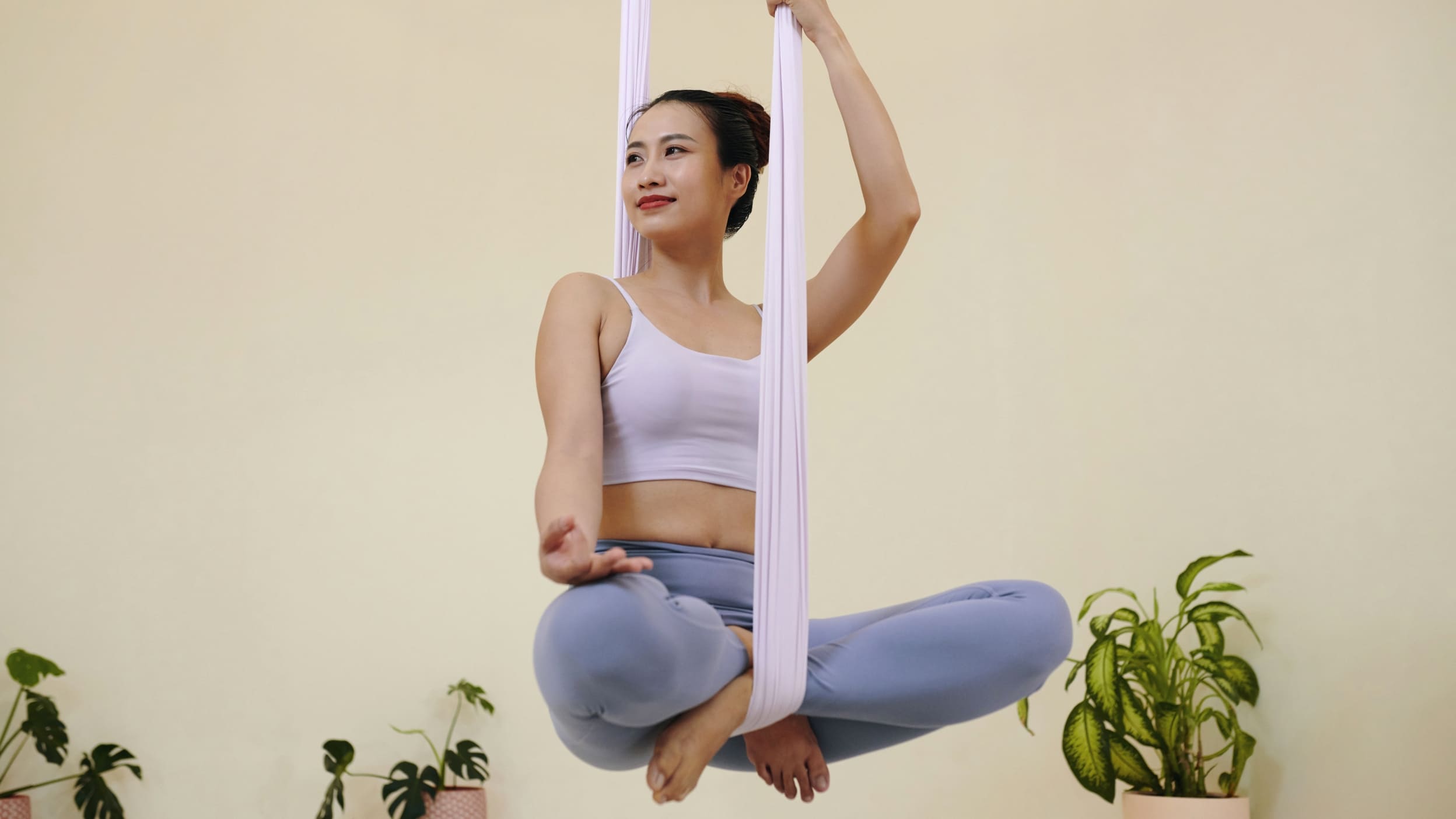
I used to think only intense workouts counted as exercise. Now, I understand that calm energy comes from gentle movement like yoga, long walks, or slow dancing in my kitchen. Movement can be powerful without being punishing.
3. Breath awareness
When my mind races, I take slow, conscious breaths, exhaling longer than I inhale. It’s my way of telling my body that everything is okay.
4. Nourishing routines
Having a few predictable rituals like lighting a candle in the evening or having lunch at the same time creates structure without pressure. It reminds my body that safety exists in rhythm.
5. Decluttered spaces
A messy space quietly amplifies mental noise. Keeping my wardrobe simple, my desk clean, and my surroundings intentional helps me feel emotionally lighter.
Calm isn’t about perfection. It’s about intention.
Dressing Calm: How Your Wardrobe Affects Your Mood
There’s something powerful about how we dress. Clothing is energy; it influences posture, confidence, and emotion. When I started aligning my wardrobe with how I wanted to feel, my days changed.
I realized I used to dress to impress or perform. My clothes were chosen for meetings, not for me. Now, I choose outfits that help me feel at ease while still feeling put together. That means soft fabrics, breathable materials, and silhouettes that make me feel graceful instead of constricted.
For example, on busy days I reach for simple, smart clothes that keep me comfortable but confident. A loose linen shirt, tailored trousers, or a flowy midi dress can feel like wearable calm. It’s balance in physical form.
Your wardrobe can reflect the same calm energy you want to feel internally. When you feel comfortable, your confidence grows naturally. Dressing calm is less about fashion trends and more about self-respect.
How to Build Calm into a Busy Schedule
Many women tell me they simply don’t have time to slow down. I used to say the same thing. But calm isn’t something you need hours for, it’s something you can weave into what you’re already doing.
You can practice calm while cooking, driving, or even getting dressed. The key is presence.
While cooking, focus on the textures, sounds, and smells instead of multitasking.
During your commute, play soft instrumental music or ride in silence.
Between meetings, close your eyes and take one long, intentional breath.
When choosing your daily outfit, do it slowly, noticing what feels best that day.
These moments might seem small, but over time they rewire your nervous system to respond with peace instead of panic.
Balance doesn’t mean you’ll never feel stressed. It means you’ll recover faster. Calm gives you that ability.
FAQs
1. What calm practices help women feel more balanced?
Gentle routines such as mindful breathing, soft movement, journaling, and quiet mornings can support emotional stability and restore mental clarity.
2. Why does slowing down improve hormonal balance for women?
Slowing down reduces cortisol, allowing the body to return to a state of safety. This supports hormonal regulation, better energy, and mood balance.
3. How can women build calm into busy daily life?
Start small. Add brief pauses into what you already do. Take deep breaths, enjoy quiet moments, and choose calming clothing that helps you feel grounded.
Final Thoughts
When I look back at how much I used to rush, I see now that calm isn’t about slowing down your life, it’s about changing how you move through it.
This calm practice supports balance for women because it reminds us of something we often forget, peace is powerful. It doesn’t mean stepping away from ambition or growth. It means fueling them from a steady place instead of a frantic one.
Calm invites you to live in sync with your body, to honor your energy instead of fighting it. It’s the foundation for clear thinking, emotional strength, and authentic confidence.
Start with one small calm act today. Drink your morning coffee slowly, choose an outfit that feels good, or take three mindful breaths before your next meeting. Let it be simple, because simple is sustainable.
Balance doesn’t appear overnight. It grows from consistent calm, moment by moment. When you nurture that, you’ll realize calm isn’t a pause in life, it’s the pace life was always meant to have.