Table of Contents
I remember walking into a london boutique last summer and seeing a rack full of embroidered kaftans, silk saris, and japanese inspired wrap dresses. The collection wasn’t about costume or novelty. Cultural clothing every stylish woman is talking about and it was about storytelling. Every pattern, every weave, every fold seemed to whisper a piece of cultural history. And that’s when it hit me: cultural clothing isn’t just fashion, it’s identity, connection, and creativity intertwined.
In recent years, fashion has moved beyond trends for trend’s sake. We’ve started valuing authenticity, sustainability, and heritage more than ever. From African Ankara prints to Indian block printed cottons, from Japanese kimonos to Scottish tartans, designers are drawing inspiration from their roots or respectfully from others to create something both meaningful and modern.
What is cultural clothing and why it matters
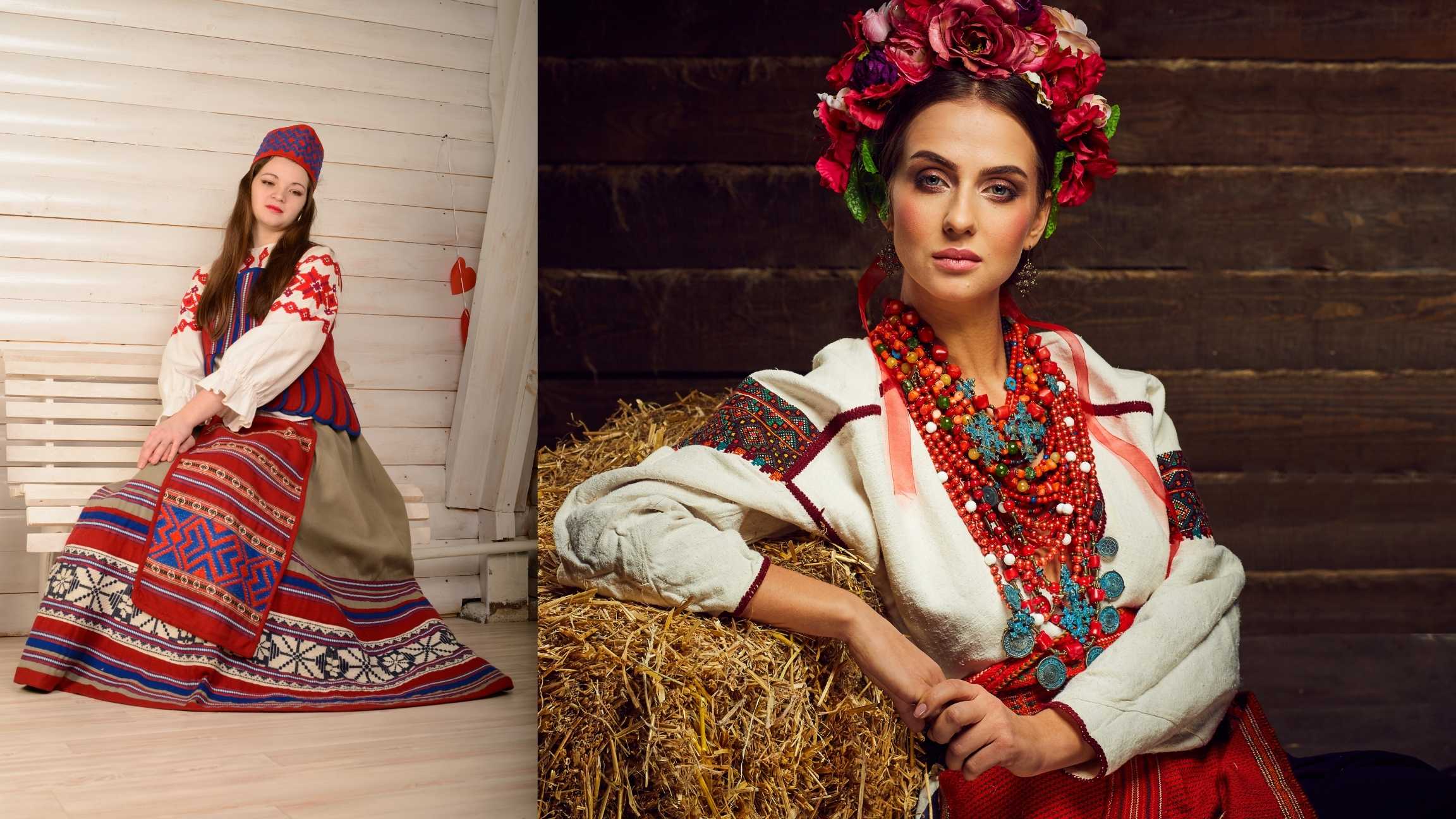
Cultural clothing refers to garments that reflect the traditions, values, and artistry of a specific region or community. It’s the attire worn during ceremonies, festivals, or even everyday life that tells a story about where we come from.
For example:
- The kimono in Japan symbolises elegance and harmony.
- The sari in India embodies grace and versatility.
- The dashiki in West Africa represents pride and cultural identity.
- The hanbok in Korea reflects balance and natural beauty.
What fascinates me most is how these styles evolve without losing their essence. Even as fashion becomes more globalised, there’s a growing appreciation for local craftsmanship and cultural meaning. In my experience, women today want clothes that feel authentic, not generic, something that connects their personal style to a wider narrative.
How culture influences fashion around the world
Fashion doesn’t exist in isolation. It’s shaped by geography, politics, religion, and social movements. Throughout history, cultural exchange has sparked new trends. The British fascination with Indian textiles during the colonial era led to global appreciation of hand-embroidered fabrics. Likewise, Japanese minimalism influenced Western tailoring, while African prints added vibrancy and storytelling to global runways.
When I worked on a styling project a few years ago, one of my clients wanted to blend her Filipino heritage with her modern London lifestyle. We ended up pairing a handwoven “barong” blouse with tailored high-waisted trousers. It wasn’t just a fashion statement. It was a celebration of identity.
Culture clothing shows us that what we wear can bridge worlds. It’s a reminder that fashion isn’t just about trends. It’s about the stories woven into the fabric itself.
Modern takes on traditional clothing styles
One of the most exciting things about cultural fashion today is how designers reinterpret tradition. Instead of viewing traditional attire as old fashioned, modern creatives are reimagining it through contemporary silhouettes and materials.
- Fusion Fashion: You’ll find African prints on blazers, Indian motifs on denim, or kimono sleeves on Western dresses.
- Sustainable Craftsmanship: Many artisans are reviving dying crafts like handloom weaving or natural dyeing, giving them new life in the modern market.
- Heritage-Inspired Streetwear: Streetwear labels are blending pop culture and heritage, creating a new aesthetic that speaks to younger generations.
Take London-based designer Priya Ahluwalia, for instance. Her collections mix Nigerian and Indian heritage with modern British style, creating something that feels global yet deeply personal. That’s the beauty of cultural clothing. It evolves, adapts, and inspires.
How to embrace cultural fashion respectfully
As cultural fashion becomes more mainstream, it’s essential to approach it with awareness and respect. There’s a fine line between cultural appreciation and appropriation.
Here’s what I’ve learned through experience:
- Understand the meaning behind what you wear. Don’t wear a sacred garment (like a Native American headdress) as a costume.
- Support authentic artisans and brands. Buy from creators who are part of the culture you’re celebrating.
- Be mindful of context. A kimono inspired robe is fine for brunch, but not for a Japanese festival unless invited.
- Educate yourself. Learn the history and significance of patterns, symbols, and textiles.
Cultural clothing is about admiration, not imitation. When done thoughtfully, it becomes a form of connection rather than exploitation.
Cultural clothing trends in the UK and beyond
In the UK, I’ve noticed a growing fascination with heritage inspired fashion. From boutique designers in London’s Shoreditch to vintage curators in Manchester, cultural fashion has become a symbol of individuality. People want their wardrobes to reflect who they are and where they come from.
Popular trends right now :
- Fusion Dresses: Modern cuts paired with traditional prints.
- Pop Culture Fashion: Influences from K – dramas, Bollywood, and Afrobeat artists.
- Cultural Accessories: Handcrafted jewellery, embroidered handbags, and woven scarves that tell a story.
- Sustainable Ethnic Wear: Ethical fashion brands collaborating with indigenous communities.
For example, I recently styled a client wearing a Nigerian inspired Ankara skirt with a minimalist English blouse. The mix was stunning and it sparked conversations about heritage, empowerment, and identity. That’s the kind of fashion that lasts.
Faqs about cultural clothing every stylish woman
1. What does cultural clothing mean?
Cultural clothing refers to garments that represent a particular culture’s traditions, beliefs, and heritage. It often includes traditional patterns, fabrics, and craftsmanship unique to that community.
2. How can I wear cultural clothing respectfully?
Do your research, understand the cultural context, and support authentic creators. Avoid wearing sacred or ceremonial items outside their cultural meaning.
3. What are examples of cultural fashion influences in modern style?
Kimonos, saris, dashikis, tartans, and embroidered Mexican blouses are all traditional styles being reimagined today with contemporary fashion twists.
Final thoughts
Fashion, to me, has always been more than fabric and stitching. It’s a language. And cultural clothing is one of the most beautiful dialects we have. It tells stories of migration, resilience, artistry, and pride. Wearing a piece inspired by another culture can be a bridge, a gesture of respect, or even a way of finding parts of ourselves we didn’t know existed.
What excites me most is that fashion is finally celebrating the world in all its diversity. We’re not just following trends. We’re weaving our own stories, one outfit at a time. Whether it’s a scarf from Morocco, embroidery from Mexico, or tartan from Scotland, culture clothing reminds us that true style is timeless because it’s rooted in meaning.