Table of Contents
It took me a long time to see that my Stress Pattern version of “normal” was actually chronic stress. For years I equated being busy with being successful. I told myself that exhaustion was just part of being a responsible adult. I was proud of how much I could handle, even as I quietly unraveled inside.
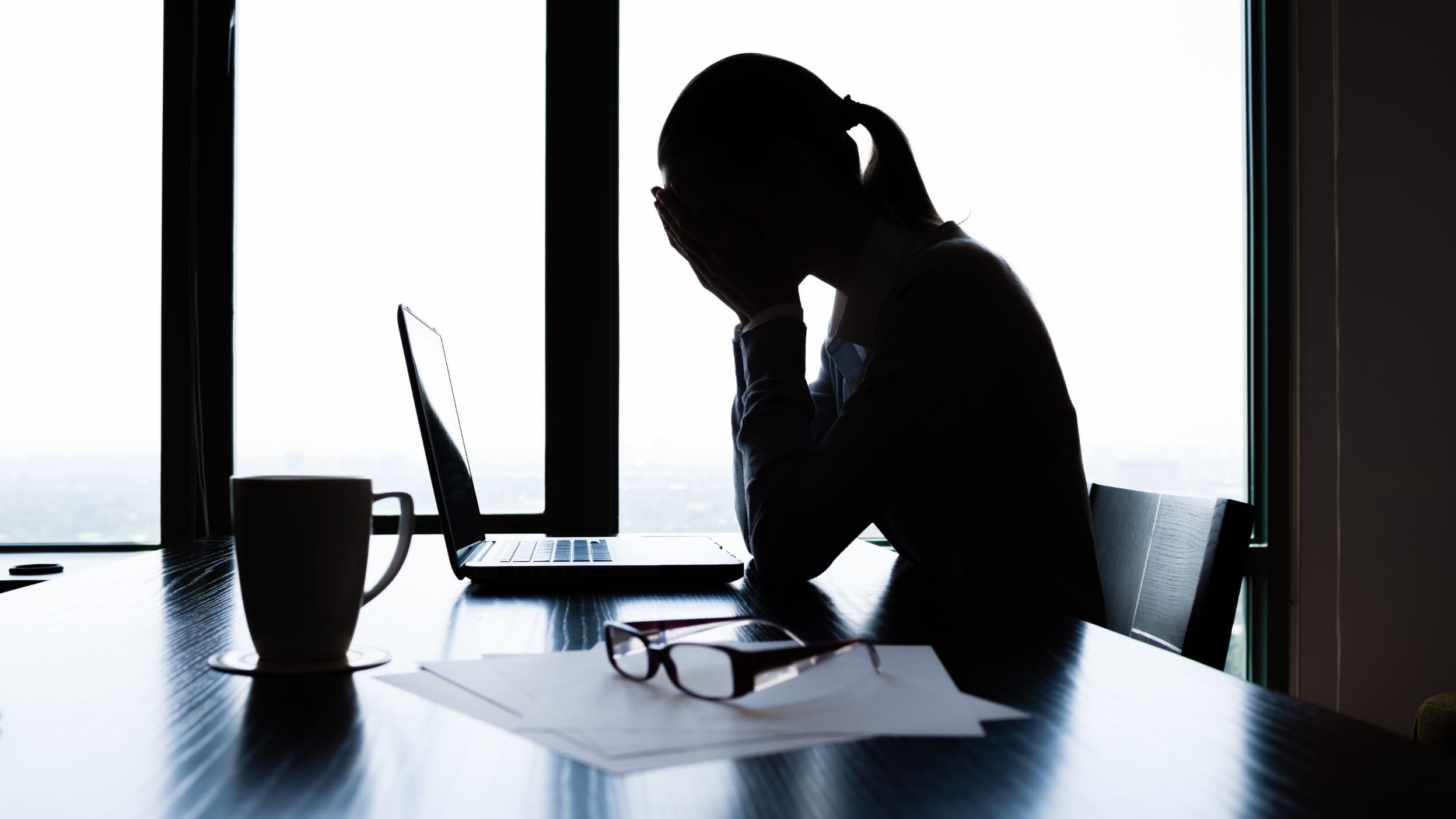
One evening, I sat down at my kitchen table with a pile of work still waiting for me. My body felt heavy but my mind kept racing. My phone buzzed with reminders, my laptop pinged with messages, and I remember feeling like I was floating outside of myself. I was functioning, but I wasn’t living.
That moment stopped me. It was the first time I noticed how rarely I felt calm. Not peaceful, not rested, just calm. I realized that I had been operating in survival mode for so long that I didn’t even recognize peace anymore.
That awareness was uncomfortable, but it was also the beginning of something new. I began to ask myself, what if stress wasn’t just a part of my life, but a pattern I’d learned to live inside of?
Why Women Learn to Live in Survival Mode
So many women live in survival mode without realizing it. It often begins with small expectations that accumulate over time. We are raised to be dependable, capable, and accommodating. We learn that being needed is valuable.
I remember the quiet pride I felt when people called me reliable or “the one who can handle it.” It felt like a compliment. What I didn’t realize was that I was teaching my body to exist in a constant state of alertness. I was always anticipating the next request, the next problem, the next demand.
For women, survival mode often hides behind productivity and responsibility. We stay busy to feel safe. The irony is that the more capable we appear, the more people expect from us, and the harder it becomes to slow down.
Eventually, our nervous systems forget what rest feels like. We start to confuse being calm with being lazy. And when that happens, survival mode becomes the default.
The Hidden Ways Stress Becomes a Lifestyle
Stress doesn’t always announce itself loudly. Sometimes it looks like control, overachievement, or a perfectly managed schedule. It hides in habits that seem admirable on the surface.
For me, it showed up as constant planning. I’d go to bed thinking about what I needed to do tomorrow. I’d wake up thinking about what I hadn’t finished yesterday. I filled every quiet moment with something music, podcasts, scrolling, anything that kept me from being still.
Many women do the same. We call it multitasking, organization, or being efficient. But beneath that is often an inability to pause. The body starts to crave activity because stillness feels unsafe.
The reward makes it even more deceptive. When people praise our work ethic or admire our “grind,” it reinforces the behavior. We start to believe that stress equals success, that tension equals progress.
But the truth is that living in overdrive eventually catches up with you. It doesn’t matter how well you hide it. The body always knows.
How the Body Keeps Score When Stress Becomes Constant
Your body remembers every moment you ignore. I used to think stress was only mental, but it lives in the body too. Over time, I started noticing the signs: my shoulders were permanently tight, my jaw clenched without realizing it, and sleep never felt restorative.
It was like my body had forgotten how to relax. Even when I was sitting still, I felt restless. That’s because constant stress traps you in what’s known as the fight or flight response. Your body keeps producing stress hormones long after the actual stress has passed.
The result is a body that never fully recovers. You start to feel tired but wired, anxious but numb, alert but disconnected. Even things that should be enjoyable start to feel like chores because your nervous system is constantly bracing for something.
The most important thing I learned is that stress isn’t just about pressure. It’s about pace. When life never slows down, the body forgets how to trust safety again.
The Illusion of “I’m Fine”
“I’m fine” became my default answer to everything. It was easier than explaining why I always felt overwhelmed. Most women I know do the same. “Fine” is the word we use to keep things moving.
The problem is that “fine” becomes a mask. It keeps others from worrying and allows us to keep performing. But deep down, we know it’s not true. We just hope if we say it enough, we might start believing it.
There were days when I would smile and say I was fine, then cry quietly in the car because I didn’t know how to stop. Admitting I wasn’t okay felt selfish. I didn’t want to inconvenience anyone or appear weak.
But pretending doesn’t make stress go away. It just pushes it deeper. The nervous system still feels the pressure. The body still carries the load. “I’m fine” may sound harmless, but it’s the first sign that we’ve stopped listening to ourselves.
How I Noticed My Own Stress Pattern
I began to understand my stress pattern through observation. I started to pay attention to the small moments that triggered my anxiety.
It was the rush I felt when an email notification appeared. The tension in my stomach when I looked at my calendar. The guilt that came when I tried to rest. I realized that my body reacted to ordinary moments as if they were emergencies.
I started asking myself simple questions: Am I breathing fully? Am I tense anywhere? Am I doing this out of choice or habit? These check ins felt strange at first, but they helped me reconnect with myself.
Over time, I began noticing patterns. I wasn’t just stressed because of my schedule I was stressed because I didn’t feel safe slowing down. I had trained myself to equate productivity with worth. Recognizing that truth was uncomfortable, but it changed everything.
Why Women Downplay Stress Instead of Healing It
Women often minimize their stress for the sake of others. We don’t want to burden anyone, so we pretend we’re fine. We downplay exhaustion because we’re afraid of seeming incapable or dramatic.
Another reason is comparison. We see women around us who appear to manage more, and we think, “If she can handle it, I should too.” But we never know the full story. Many of those women are struggling quietly as well.
There’s also guilt. Rest feels like something we have to earn. When we stop, we immediately think of all the things we should be doing. It becomes easier to keep pushing than to sit with discomfort.
But healing begins when we stop minimizing. Admitting that we’re overwhelmed doesn’t make us weak it makes us honest. And honesty is where regulation begins.
Small Signs You’ve Normalized Chronic Stress
Not all stress looks extreme. Sometimes it’s a collection of subtle, daily habits that we’ve accepted as normal.
- You wake up already tired.
- You have a hard time enjoying quiet moments.
- You multitask even when it’s unnecessary.
- You feel restless on days without structure.
- You replay conversations or mistakes in your head.
- You breathe shallowly and forget to exhale fully.
- You feel guilty for resting or doing nothing.
These small signs matter. They’re the body’s way of asking for attention. When I finally started noticing them, I realized how much energy I wasted pretending everything was fine.
How to Unlearn the Stress Pattern Step by Step
Unlearning chronic stress isn’t about quitting your job or abandoning responsibility. It’s about retraining your body and mind to live without constant tension.
1. Practice micro pauses
I started inserting tiny moments of stillness into my day. Ten seconds of slow breathing between meetings, one quiet minute before checking my phone. These micro pauses reminded my body that safety existed in stillness.
2. Redefine what productivity means
For years, I equated value with output. Now I measure success by how I feel. A day with calm focus is more productive than one filled with frantic energy.
3. Listen to your body
When I feel my shoulders tighten or my heart race, I stop. I take three deep breaths, unclench my jaw, and remind myself that I’m safe. The body always gives clues if you’re willing to listen.
4. Set gentle boundaries
Saying no doesn’t make you unkind. It makes you clear. I started declining invitations or tasks when I knew I didn’t have the capacity. At first, it felt uncomfortable, but soon it became freeing.
5. Build a rest ritual
Instead of collapsing into rest after burnout, I built rest into my daily rhythm. Tea breaks, walks outside, and quiet evenings became acts of maintenance, not luxury.
These steps may sound small, but they create massive shifts over time. Each pause teaches your nervous system that life doesn’t have to be a race.
What True Calm Actually Feels Like
When my nervous system began to regulate, I noticed it in the smallest ways. My mornings felt softer. My breath came easier. I didn’t wake up dreading the day.
True calm isn’t empty. It’s full, but not frantic. It’s being able to enjoy a slow moment without guilt. It’s having energy that feels steady instead of drained.
For me, calm looks like laughing easily, speaking slower, and not needing constant distraction. It’s the quiet confidence that comes from knowing I don’t have to prove my worth through exhaustion.
Once you experience it, you’ll wonder how you ever lived without it. Calm becomes the new normal not because life is perfect, but because you finally learned how to meet it differently.
FAQs about Stress Pattern
1. Why do women normalize stress without realizing it?
Because constant pressure has been labeled as strength. When everyone around you seems equally busy, exhaustion starts to feel normal.
2. What are hidden signs of chronic stress?
Restlessness, fatigue, irritability, muscle tension, and the inability to relax fully are often signs of long term stress.
3. How can women start breaking the stress cycle?
By noticing tension early, creating pauses in the day, and setting boundaries that protect peace instead of productivity.
Final Thoughts
The stress pattern many women live inside isn’t a reflection of weakness. It’s a survival strategy. It worked when it had to, but it doesn’t have to define your life.
When you begin to slow down, the world doesn’t fall apart it expands. You start to notice the beauty in silence, the peace in stillness, and the power in saying no.
Calm is not the opposite of ambition. It’s the foundation that sustains it. The more I rest, the more alive I feel.
Learning to live beyond stress is not a luxury. It’s coming home to yourself.