Table of Contents
There’s a moment many women miss before burnout sets in. Energy Drops it’s not dramatic or sudden, but it changes everything. You wake up already tired, your thoughts feel slower, and even small decisions start to feel heavier than they should. You’re not falling apart, but you’re no longer fully yourself either.
For years, I ignored that feeling. I told myself I just needed more sleep or a better routine. I convinced myself that energy dips were normal for busy women trying to do it all. But underneath, something deeper was happening. My energy wasn’t just low; it was scattered.
This is the stage before burnout that most of us overlook. It’s when our bodies start whispering that something is off, yet our minds keep saying, “I can handle it.” That mismatch between how we feel and what we expect of ourselves is where exhaustion quietly grows.
I’ve since learned that this drop in energy isn’t weakness or lack of willpower. It’s the body’s first attempt at self preservation. It’s trying to get your attention before the real crash comes.
How I Noticed My Own Energy Shifting
The first time I truly noticed my energy shifting, I was in the middle of a week that looked perfectly fine from the outside. I was meeting deadlines, seeing friends, and checking things off my list. But I was running on autopilot. My enthusiasm had quietly left the room.
I remember one morning staring at my wardrobe for twenty minutes, unable to decide what to wear. It wasn’t about the clothes. It was about the fact that my mind was too tired to care. I pushed through, like always, telling myself to “just get on with it.”
But later that day, when a small inconvenience made me tear up out of nowhere, I realized this wasn’t normal tiredness. It was depletion. It felt like my inner battery had stopped recharging overnight.
That moment was a wake up call. I realized that burnout doesn’t start with collapse. It starts with quiet disconnection when you can still function, but you’re not really feeling anything anymore.
Why Energy Fades Long Before Burnout Arrives
Energy doesn’t disappear overnight. It fades slowly, in tiny unnoticed ways. You skip one lunch break to finish a project. You stay up later a few nights in a row. You say yes when you want to say no. Each time, you tell yourself it’s no big deal. But together, those moments chip away at your reserves.
Women, especially, are conditioned to keep giving even when running low. We’re praised for pushing through, multitasking, and having it all together. The problem is, our bodies can only run on adrenaline for so long before they start conserving energy instead.
That’s when the fatigue begins. It’s not laziness or lack of motivation; it’s the body protecting itself from overuse. It knows what the mind refuses to admit that we’ve been running in survival mode for too long.
When I started reading more about this, I learned that fatigue before burnout is actually a form of self defense. It’s your nervous system slowing you down so you don’t burn out completely. Once I understood that, I stopped seeing tiredness as something to fight and started seeing it as a signal to respect.
The Hidden Cost of Constant Functioning
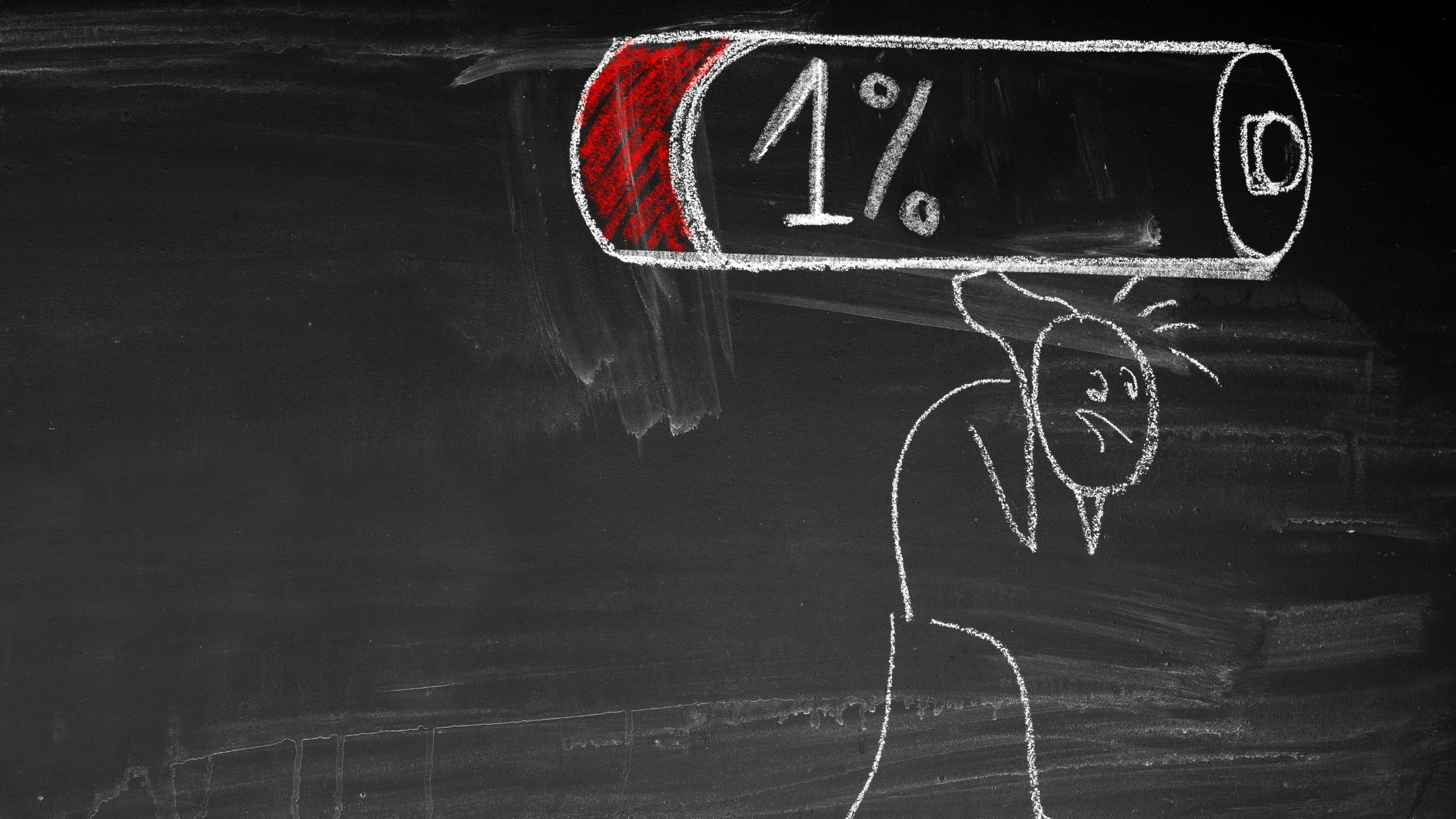
High functioning burnout is real, and I’ve lived through it. From the outside, everything looks fine. You’re doing your job, keeping up with responsibilities, replying to messages, even smiling through it all. Inside, though, you feel like a phone stuck on 5 percent battery constantly dimming, barely hanging on.
I used to think being capable meant being tireless. I prided myself on how much I could handle. But being always on came with a hidden cost: disconnection from my own needs. I’d meet everyone else’s expectations while ignoring the quiet voice inside saying, “I need a break.”
It’s not that I didn’t know I was tired. I just didn’t think I had permission to stop.
And that’s what makes burnout so tricky for women. It doesn’t just drain your energy. It drains your permission to rest. You start believing that slowing down is selfish, that your value is tied to how much you can produce.
But the truth is, constant functioning isn’t strength. It’s self neglect disguised as productivity.
Emotional Overload and the Silent Drain
One thing I didn’t realize at first was how much emotional labor contributes to exhaustion. It’s not just the tasks you do, but the emotions you manage while doing them holding space for others, smoothing over tension, remembering details, worrying about everyone’s needs.
That emotional weight builds up quietly. You might not even notice it because it becomes part of your normal routine. But eventually, it catches up.
I’ve had days where I wasn’t physically tired but felt emotionally heavy like my mind was too full to think clearly. That’s emotional fatigue, and it’s one of the first signs your energy reserves are running low.
It’s also why rest alone doesn’t always help. You can sleep eight hours and still wake up drained if your emotional load hasn’t been acknowledged. True recovery means offloading that invisible weight, not just resting your body.
The Role of Perfectionism and Invisible Labor
For many women, perfectionism quietly drives exhaustion. We want to do everything well not just at work, but in relationships, in appearance, in self care, even in how we rest. We hold ourselves to impossible standards, then wonder why we’re always tired.
I used to think my problem was time management. It wasn’t. It was expectation management. I was trying to meet a version of balance that doesn’t exist.
Then there’s invisible labor all the unseen tasks that keep life moving: remembering birthdays, managing schedules, organizing, anticipating others’ needs. It’s the mental load that never stops, even when you’re sitting still.
When I started writing down everything I mentally carried in a day, I was stunned. No wonder I felt depleted. The energy drain wasn’t just from doing too much; it was from thinking too much about everything.
Once I acknowledged that invisible work, I could finally see that my exhaustion wasn’t personal failure. It was a predictable response to constant overextension.
What the Body Tries to Tell You Before It Crashes
Your body always speaks before it shuts down. But we’re so used to pushing past discomfort that we miss the early warnings.
For me, it started as headaches and tension in my shoulders. Then came sleepless nights and brain fog. I’d wake up tired no matter how early I went to bed. At the time, I blamed it on stress or hormones. Looking back, it was my body’s way of saying, “I’m overloaded.”
When you ignore those signals, your body eventually takes over. It slows you down whether you want it to or not. The earlier you recognize the signs, the easier it is to recover without a full burnout crash.
Some early signs include forgetfulness, irritability, feeling detached, loss of focus, and a sense that everything takes more effort than it should. If that sounds familiar, your body isn’t failing you it’s protecting you.
The Moment You Feel Tired but Still Keep Going
There’s a moment most women can relate to when you feel exhausted but convince yourself to keep going. You tell yourself, “Just get through today.” Then the next day comes, and you say it again. Before long, “just getting through” becomes a lifestyle.
That’s the danger zone. When functioning replaces feeling, burnout is no longer a possibility; it’s a trajectory.
I remember sitting in a meeting once, smiling and contributing ideas, while inside I felt completely hollow. I wasn’t present. I was performing. That’s the quiet exhaustion that doesn’t look like burnout but feels like it.
When you find yourself constantly pushing past your own limits, it’s time to pause not as a luxury, but as a necessity.
How to Recognize the Early Signs of Burnout
Here are some of the early warning signs I wish I’d noticed sooner:
- You wake up tired no matter how much sleep you get.
- Small decisions feel overwhelming.
- You find yourself snapping over small things.
- You start isolating from people you care about.
- You feel detached from things you once enjoyed.
- Your motivation disappears, replaced by obligation.
- You start relying on caffeine or adrenaline just to feel normal.
The earlier you recognize these patterns, the easier it is to reverse them. Burnout isn’t inevitable; it’s preventable when you catch it early.
Gentle Ways to Restore Energy Before It’s Too Late
Rebuilding energy isn’t about doing more. It’s about doing less, intentionally.
Here’s what worked for me:
- Take small pauses during the day. Step away from screens, breathe, and reset.
- Prioritize low effort rest. Not everything has to be productive. Sometimes doing nothing is the most restorative choice.
- Simplify routines. Streamline decisions about meals, clothes, or plans.
- Let go of guilt. You don’t owe constant output to anyone.
- Reclaim quiet. Even five minutes of silence helps your mind settle.
- Revisit joy. Do small things that genuinely feel good, not things that “should” help.
When you create space to rest before your body demands it, you start to feel energy return naturally. It’s not instant, but it’s sustainable.
FAQs about Energy Drops
Why does women’s energy drop before burnout hits?
Because the body begins conserving energy as a protective response to chronic stress and overextension.
Why do women feel tired even when resting?
Because rest isn’t always restorative if emotional and mental overload isn’t addressed. True rest means quieting the mind, not just stopping activity.
How can women prevent burnout early?
By noticing small signs of depletion, setting boundaries, and prioritizing genuine recovery before collapse.
Final Thoughts
For a long time, I thought burnout came suddenly like one big crash. But now I know it arrives quietly, disguised as everyday fatigue, missed joy, and quiet disconnection.
When your energy begins to fade, that’s your early warning system. It’s your body saying, “You’ve been doing too much for too long.”
If you listen to that whisper, you can avoid the shout. You can choose to rest, reset, and rebuild before burnout steals your spark.
Real strength isn’t in how much you push through. It’s in knowing when to pause, step back, and let your body and mind breathe again.