Table of Contents
For a long time, I struggled to explain how I felt. Nothing was technically wrong, yet nothing felt fully right either. My energy was inconsistent. My mood felt fragile. Some mornings I woke up clear headed and motivated, while other days felt heavy before they even began.
What made it harder was that I was doing what most people would consider healthy. I exercised. I ate balanced meals. I followed advice that promised energy, focus, and stability. On paper, everything looked fine.
In reality, my body told a different story.
I felt disconnected from my own rhythm. Productivity came in short bursts instead of steady flow. My appetite felt unpredictable. Certain weeks felt smooth and capable, while others felt slow and emotionally noisy.
The worst part was the self doubt. I started wondering if this was just how my body worked, or if I was missing something obvious. That quiet frustration is what eventually pushed me to look deeper, not for another rule, but for a pattern that actually respected how my body functioned.
The Moment I Realized Food Was the Missing Link
The realization came slowly, not in a dramatic breakthrough, but through repeated observation. I began noticing how my energy shifted after meals, how long gaps between eating changed my mood, and how rushed food choices left me feeling unsettled rather than satisfied.
I noticed that on days when I skipped breakfast, I felt wired early on and exhausted later. When meals were inconsistent, my focus dropped quickly. When food felt rushed or reactive, my body responded with tension and cravings.
It became clear that food was not just fuel. It was information. Every meal was either calming my system or stressing it.
That was when I stopped focusing on fixing symptoms and started focusing on supporting stability. I realized this eating pattern finally balanced my hormones not because of specific foods alone, but because it created consistency my body could rely on.
What “Hormone-Friendly” Eating Actually Means
Hormone friendly eating is often misunderstood. It is not about eliminating entire food groups or following rigid plans. It is about creating an environment where your body feels supported and safe.
For me, hormone friendly eating meant shifting away from extremes. No skipping meals. No long stretches of under fueling. No treating hunger as something to push through.
Instead, it meant:
- Eating regularly
- Prioritizing balance over restriction
- Supporting energy rather than chasing stimulation
- Respecting daily rhythms instead of forcing productivity
A hormone balancing diet for women works best when it focuses on nourishment and predictability. When the body knows food is coming consistently, it stops sending urgent signals. That alone changes how everything feels.
Why Meal Timing Matters More Than You Think
I used to underestimate meal timing completely. I believed that as long as the food itself was healthy, the timing did not matter much.
I was wrong.
Meal timing turned out to be one of the most powerful shifts I made. Eating too late disrupted my sleep. Skipping meals led to sharp drops in concentration. Long gaps created emotional reactivity that had nothing to do with mindset.
Once I adjusted my eating routine for hormonal balance, my energy stopped swinging so dramatically. Meals became anchors in my day rather than afterthoughts.
This daily eating pattern for women’s hormones created a sense of rhythm that spilled into everything else. Focus improved. Mood stabilized. Cravings softened because my body no longer felt deprived or uncertain.
The Eating Pattern That Changed Everything
The pattern itself was simple, which is why it worked.
I began eating within a reasonable time after waking. I ate every few hours instead of pushing hunger aside. I prioritized balanced meals instead of relying on snacks to hold me over.
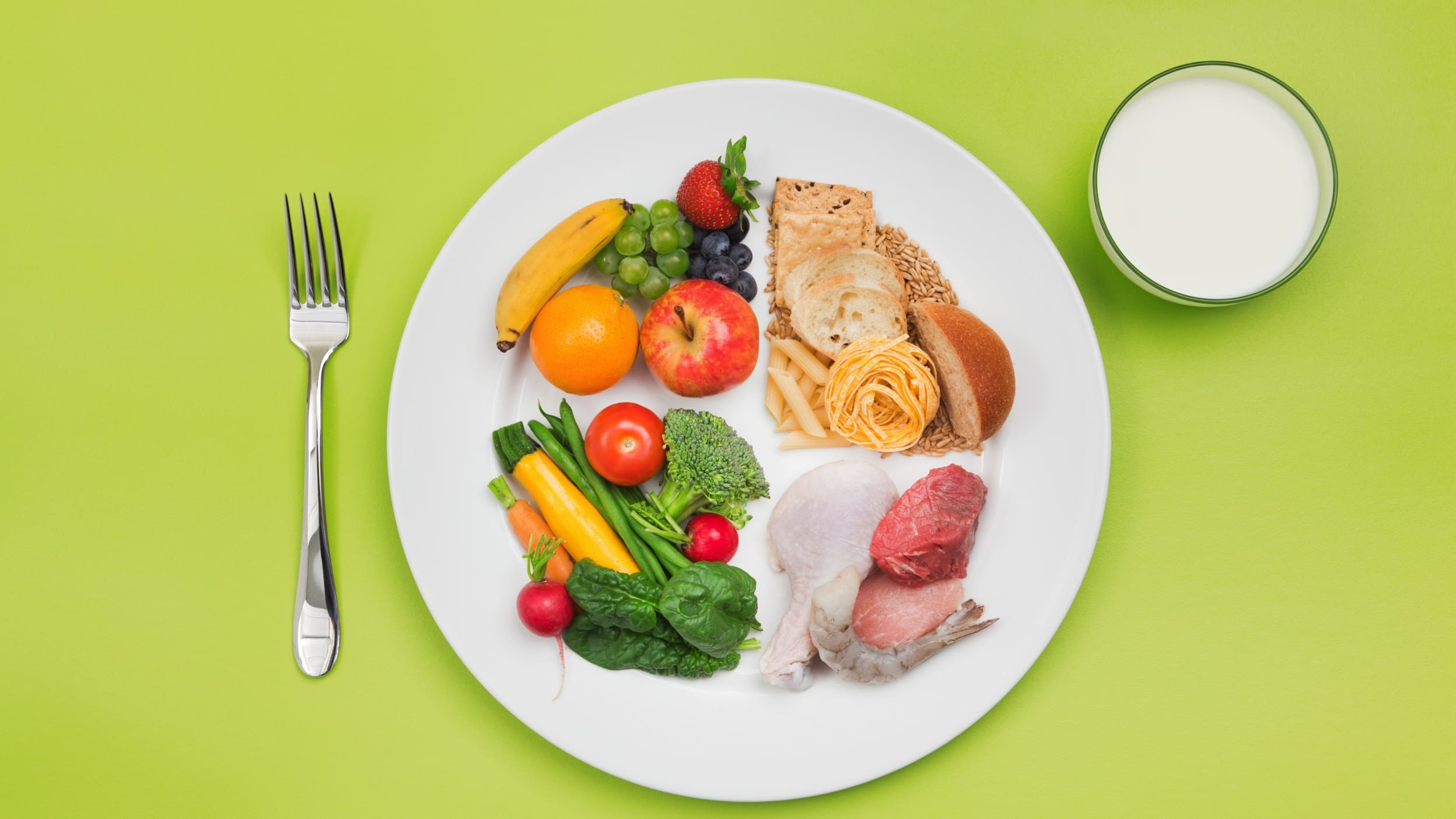
Each meal included:
- Protein to support steadiness
- Carbohydrates for sustained energy
- Fats to promote satisfaction and calm
Dinner moved earlier when possible, allowing my body time to wind down before rest. Nothing was rigid, but everything was intentional.
This eating routine for hormonal balance did not require perfection. It required consistency. That consistency created trust between me and my body, something I had not realized was missing.
What I Noticed After a Few Weeks
The first changes were subtle but unmistakable. My mornings felt smoother. I no longer felt frantic for caffeine. Afternoon crashes softened into gentle dips instead of sudden drops.
After a few weeks, I noticed my emotional response to stress felt different. I recovered faster. I felt less reactive. My body felt more cooperative instead of constantly asking for something I could not quite identify.
Perhaps the most meaningful change was mental clarity. I stopped thinking about food constantly. Hunger cues became clearer. Satisfaction became easier to recognize.
That was when I knew this women hormone balancing eating pattern was working. It was not forcing balance. It was restoring it.
The Foods That Support Hormonal Balance
While the pattern mattered most, food choices still played a role in how supported I felt.
I found that eating for hormone health as a woman worked best when meals included:
- Whole carbohydrates like rice, oats, potatoes, and fruit
- Adequate protein from varied sources
- Fats that added satisfaction rather than heaviness
- Fiber rich foods that supported digestion and comfort
I stopped chasing trendy foods and focused on what made me feel steady and nourished. Balanced hormones through nutrition did not come from novelty. It came from reliability.
The Habits That Helped the Pattern Stick
The reason this eating pattern lasted was not motivation. It was structure without rigidity.
A few habits made everything easier:
- Planning meals loosely rather than obsessively
- Keeping balanced options available
- Eating before hunger turned urgent
- Removing guilt from food choices entirely
Once pressure disappeared, consistency followed naturally. This hormone friendly diet for women became part of daily life rather than something I had to manage.
Common Mistakes Women Make With Hormone-Focused Eating
I made most of these mistakes before learning what worked.
Common missteps include:
- Skipping meals to stay productive
- Waiting too long to eat
- Treating hunger as an inconvenience
- Over correcting with restriction
- Expecting instant change
Hormonal balance is cumulative. Small consistent choices matter more than dramatic changes. Once I understood that, patience replaced frustration.
FAQs about Eating Pattern
What eating pattern actually balances hormones for women?
A consistent eating pattern that prioritizes regular meals, balanced nutrition, and predictable timing supports hormonal balance best.
How long does it take for diet changes to balance hormones?
In my experience, small shifts appear within weeks, with more noticeable changes after a month of steady consistency.
Does meal timing affect women’s hormones?
Yes. Consistent timing supports energy regulation, mood stability, and overall balance far more than irregular eating.
Final Thoughts
This eating pattern finally balanced my hormones because it was grounded in respect, not control.
It did not ask my body to perform or adapt to external rules. It met my body where it was and supported it consistently. Over time, that support created steadiness, clarity, and trust.
If you feel off in a way you cannot fully explain, consider how you eat, not just what you eat. Consistency, timing, and nourishment matter more than perfection.
Sometimes balance is not something you chase. It is something you allow to return when your body feels supported enough to do what it was designed to do.