Table of Contents
There was a time when I would stand in front of my wardrobe feeling completely lost. My closet was full of clothes, yet I always felt like I had nothing to wear. I would pull out outfit after outfit, trying to find something that looked as good in reality as it did in my head, but nothing quite worked.
At one point, I convinced myself I just needed more options that fixes most outfit mistakes. I bought trendy tops, stylish jeans, and even dresses I never wore, thinking a new piece would somehow make the difference. But no matter what I bought, I kept having the same problem. My outfits looked fine, but not put together.
That changed when I started working in fashion styling. It was there I discovered that most outfit mistakes don’t come from the clothes themselves but from how they’re combined. I learned one simple rule that changed everything about how I dress and how I help other women dress too. It’s the one fashion rule that fixes most outfit mistakes instantly.
Why So Many Outfits Fall Flat
When I started styling women, I quickly noticed that almost everyone made the same mistakes I used to make. They had lovely clothes but didn’t know how to balance them. Their outfits often looked busy, or they felt like something was missing.
It wasn’t that they lacked style or taste. The problem was proportions. Every outfit, no matter how casual or formal, needs visual balance to look intentional. When the top is too bulky with wide trousers, or when fitted clothes are paired with other tight pieces, the outfit loses shape. It stops flattering your figure and makes even great clothes look awkward.
When I began teaching women to balance proportions, everything clicked. Once they understood that simple concept, they started building outfits that made them look taller, leaner, and more confident. That’s when I realized this single fashion rule truly fixes most outfit mistakes.
How I Learned the Hard Way About Style Balance
I didn’t always understand proportion. I remember one of my first big styling jobs where I learned the importance of balance the hard way.
I had styled a model for a fashion shoot, and I was so proud of my choices. She was wearing wide leg trousers and a flowing blouse with big sleeves. On the rack, the combination looked stylish and editorial, but when she stepped in front of the camera, something felt off.
The outfit overwhelmed her. She disappeared under layers of fabric. The photographer, a veteran in the industry, walked over and said calmly, “The outfit needs shape. Show her waist.” I tucked in the blouse, added a belt, and instantly, the look transformed. It went from clumsy to chic in seconds.
That was the day I learned that balance isn’t just about looking good in photos; it’s what makes an outfit work in real life. Every time an outfit feels wrong, it’s usually because one part of the look is overpowering the rest.
The Fashion Rule That Fixes Most Outfit Mistakes
The rule that changed everything for me is simple: if one part of your outfit is loose, keep the other fitted.
This is the golden principle of proportion, and it works every single time. When you balance shapes, your outfit looks intentional and flattering without any effort.
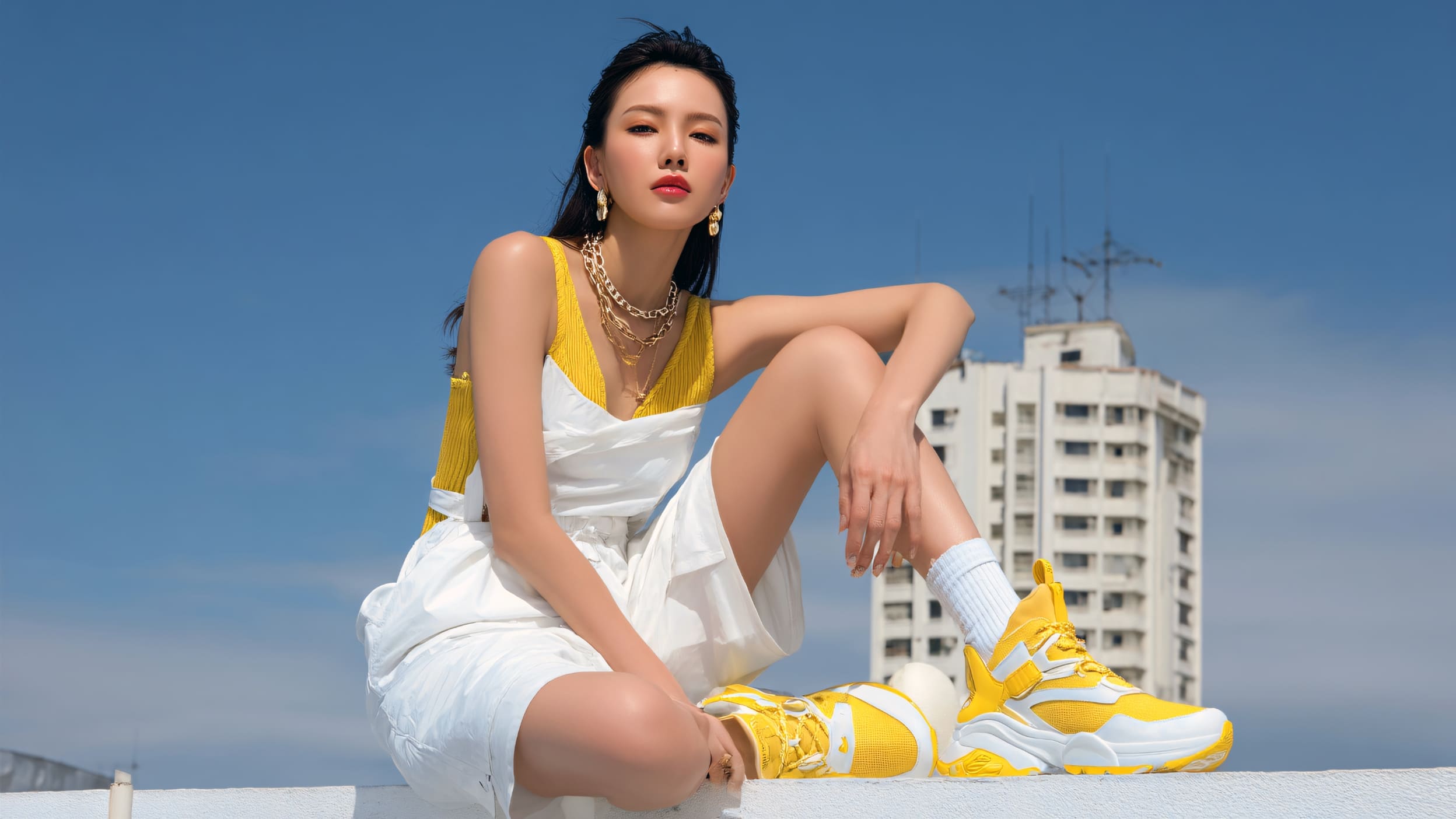
If you’re wearing wide trousers, pair them with a fitted top or tuck in your blouse. If you’re wearing a flowy dress, define your waist with a belt or a cropped jacket. If you’re in skinny jeans or leggings, wear a slightly oversized shirt or blazer to balance the shape.
The magic of this rule is that it works for every woman, no matter her body type or age. It helps your figure look harmonious, elongates your frame, and highlights your best features naturally.
Once I started dressing this way, people began complimenting me on how “put together” I looked, even when I was wearing the simplest outfits. That’s when I realized this rule wasn’t just practical it was transformative.
How to Apply This Rule in Daily Outfits
I use this balance rule every day now, and it’s changed the way I get dressed. The best part is that it works for every occasion, from work meetings to weekends.
For Workwear
When I style clients for professional settings, I always start by pairing structure with softness. If you’re wearing tailored trousers or a pencil skirt, try a relaxed blouse or a slightly loose knit tucked in at the waist. It softens the look without losing professionalism.
If you prefer wide leg trousers, go for a fitted turtleneck or a tucked in silk shirt. Add a belt to define your shape and let your jacket do the rest. A single well fitted blazer can make almost any outfit look sharp and elevated.
For Casual Days
Even casual outfits need proportion. On weekends, I love pairing straight or wide-leg jeans with a tucked in T-shirt and an oversized denim jacket. The fitted top keeps the look neat, while the looser layers add personality.
If I’m wearing something baggy on the bottom, like joggers or loose trousers, I’ll choose a cropped jumper or fitted vest. This contrast keeps the look clean and comfortable without feeling sloppy.
For Evenings Out
Evening looks often go wrong because of imbalance. Too much shine, volume, or fabric in one area can make an outfit feel heavy. To fix that, I always pair statement pieces with something sleek.
If I’m wearing a sequined top, I’ll balance it with fitted trousers or a pencil skirt. If I’m wearing a dramatic skirt, I keep my top simple and form-fitting. When everything has its opposite, the outfit feels effortless and stylish.
Balance makes even the boldest looks appear elegant instead of overdone.
Finding the Right Proportion for Your Body
Every woman’s proportions are different, and understanding your own is key to making this rule work.
I’m on the shorter side, so I’ve learned that defining my waist helps elongate my frame. I avoid oversized pieces worn together because they tend to swallow me. Instead, I wear fitted tops with wide trousers or flowy skirts with structured jackets.
For taller women, longline blazers or straight leg trousers can add grace and movement without overwhelming the frame. If you have curves, highlighting your waist with belts, wrap tops, or tailored jackets creates the right shape.
If your body is straighter, layering or choosing pieces with volume, like puff sleeves or pleats, can help build dimension.
The goal isn’t to hide or change your body it’s to create harmony that flatters what you already have. That’s what makes this rule so timeless.
Real Life Examples of Balanced Outfits
Once you start noticing proportion, you’ll see it everywhere. Some of the most effortlessly stylish women you meet are already applying this rule, even if they don’t realize it.
One of my favorite combinations is straight-leg jeans with a tucked-in shirt and a tailored blazer. The fitted shirt keeps the shape streamlined, while the jacket adds structure. It’s perfect for coffee dates or casual meetings.
For weekends, I love wearing high-waisted joggers with a cropped T-shirt and trainers. It’s relaxed but still looks styled.
For work, a midi skirt paired with a tucked-in blouse and ankle boots is a go-to. The soft fabric of the skirt balances beautifully with the crispness of a shirt.
For nights out, my signature look is a silky camisole tucked into tailored trousers. It’s feminine and modern, and the mix of textures keeps it interesting.
Every one of these looks follows the same rule: when one piece is loose, the other is fitted.
Common Outfit Mistakes Women Make Daily
Over the years, I’ve noticed a few common outfit mistakes that keep women from looking their best.
The first is wearing everything oversized. While relaxed fits are in fashion, too much fabric with no structure can make your outfit look shapeless. Always define at least one part of your silhouette either your waist, shoulders, or neckline.
The second mistake is ignoring proportions. Wearing long tops with long skirts or tight tops with tight bottoms can distort your natural shape. Mixing fits keeps everything balanced.
Another mistake is forgetting fabric weight. Heavy fabrics on both the top and bottom can make your outfit look bulky. Pair heavier textures with something lighter or flowier to add contrast.
Lastly, many women skip small adjustments that make a big difference, like tucking in a shirt or cuffing sleeves. These small tweaks instantly make an outfit look styled rather than thrown together.
Once you start being mindful of these details, you’ll notice how easy it becomes to make every outfit work.
FAQs
1. What are the most common outfit mistakes women make daily?
Wearing clothes that don’t balance proportions, pairing oversized pieces together, or ignoring waist definition are the most common mistakes. The fix is simple: combine fitted and loose items to create harmony.
2. How can I fix my outfit when it doesn’t look put together?
If your outfit feels off, look at the silhouette. If everything is loose, add something structured. If everything is tight, introduce a relaxed element. Rolling up sleeves or tucking a shirt can also make a big difference.
3. What is the number one fashion rule every woman should follow?
Always aim for balance. When your outfit has the right proportions, it automatically flatters your body and makes you look effortlessly stylish.
Final Thoughts
When I think about my journey with fashion, I realize how much I used to overthink it. I believed I needed the perfect wardrobe or the newest trends to look stylish. But the truth is, real style isn’t about how much you own it’s about how well you put things together.
The fashion rule that fixes most outfit mistakes is beautifully simple: balance your proportions. When one piece is fitted and the other is relaxed, your outfit feels complete.
This approach has completely changed how I dress. It saves time, reduces stress, and makes getting ready every day feel like second nature.
Fashion for women in their 30s and 40s isn’t about chasing trends. It’s about refining what already works and wearing it with confidence. Once you understand this rule, you’ll start seeing possibilities in every piece you own.
Now, every time I get dressed, I ask myself one question: Does this outfit feel balanced? If the answer is yes, I know I’ll walk out the door feeling my best.